Challenges of Procurement in Africa: How to Reduce Procurement and Supplier Risks
The biggest procurement risks are often the ones buyers don't see until it's too late. A supplier that cannot meet quality standards, unexpected shipping delays, unclear payment terms, or missing documentation can quickly turn a promising sourcing opportunity into an expensive business problem. Identifying these risks before they affect your supply chain is an essential part of successful procurement.
As more international buyers source agricultural commodities, manufactured goods, industrial products, chemicals, pharmaceuticals, consumer goods, and other wholesale products from Africa, understanding the challenges that can arise during procurement has become increasingly important. While these risks are not unique to Africa, buyers who understand the regional sourcing environment are better equipped to make informed decisions and build reliable supplier relationships.
This guide explores the most common procurement and supplier risks businesses face when sourcing from Africa. You'll also learn practical strategies to reduce those risks, strengthen procurement decisions, and source with greater confidence.
Why Procurement Risks Matter to International Buyers
Every procurement decision involves a level of risk, but failing to identify and manage those risks can lead to costly consequences for businesses. Supplier issues, quality problems, shipping delays, payment disputes, and regulatory challenges can increase procurement costs, disrupt supply chains, and affect customer satisfaction.
For international buyers sourcing products from Africa, understanding potential procurement risks is an important part of making informed purchasing decisions. While many suppliers consistently meet international standards, taking a proactive approach to risk management helps businesses distinguish reliable suppliers from unsuitable ones and reduces the likelihood of unexpected challenges during the procurement process.
The good news is that most procurement risks can be reduced through careful planning, supplier due diligence, clear communication, and well-defined procurement practices. By recognising potential challenges early, businesses can build stronger supplier relationships, improve supply chain resilience, and procure with greater confidence.
Procurement Risks International Buyers Face in Africa
No procurement process is completely risk-free. Whether you're sourcing agricultural commodities, industrial products, chemicals, pharmaceuticals, manufactured goods, or consumer products, understanding the most common procurement risks can help you make better sourcing decisions and avoid costly disruptions.
While many of these risks exist in global procurement, they can be more difficult to manage when sourcing across international markets. Working with verified suppliers, carrying out proper due diligence, and using trusted sourcing platforms like Kuraway can help businesses reduce uncertainty before committing to a purchase.

1. Supplier Verification Risks
One of the biggest challenges international buyers face is determining whether a supplier is legitimate and capable of delivering as promised. Incomplete business information, limited online presence, or unverifiable credentials can make it difficult to assess a supplier's reliability.
Before entering into a commercial agreement, buyers should verify business registration, certifications, export experience, production capacity, and customer references wherever possible. Using a B2B marketplace that features verified suppliers can also make the supplier discovery process more transparent and reduce the time spent researching potential partners.
2. Product Quality Risks
Receiving products that do not meet agreed specifications is one of the most common procurement risks businesses face. Differences in material quality, packaging, product dimensions, or manufacturing standards can lead to rejected shipments, production delays, customer complaints, and additional costs.
Many quality-related issues can be prevented by defining product requirements clearly before procurement begins. Buyers should provide detailed specifications, agree on quality standards with suppliers, and request product samples where appropriate before placing large orders. For higher-value or recurring purchases, third-party inspections before shipment can provide additional confidence that products meet the agreed requirements.
Maintaining open communication throughout production also helps suppliers clarify expectations early, reducing the likelihood of misunderstandings that may affect product quality.
3. Logistics and Delivery Risks
Even when a supplier delivers quality products, procurement challenges can still arise during transportation and delivery. Shipping delays, customs clearance issues, incomplete documentation, port congestion, and unexpected freight disruptions can all affect delivery timelines and increase procurement costs.
International buyers should discuss shipping arrangements, delivery schedules, and Incoterms with suppliers before production begins. It is also important to ensure that all export and import documentation is complete and accurate to avoid unnecessary delays during customs clearance.
Planning logistics early and maintaining regular communication with suppliers and freight partners helps businesses minimize disruptions, improve supply chain visibility, and ensure products arrive as expected.
4. Payment Risks
Payment terms can significantly influence the level of risk in any procurement transaction. Making large advance payments to unfamiliar suppliers, unclear payment agreements, or unexpected currency fluctuations can expose businesses to financial losses and disputes.
Before making any payment, buyers should agree on clear commercial terms that outline payment schedules, accepted payment methods, and the responsibilities of both parties. For larger transactions, businesses may also consider payment arrangements that provide greater protection for both buyers and suppliers.
Maintaining clear documentation and ensuring that payment terms are agreed upon before production begins helps reduce misunderstandings, strengthens supplier relationships, and creates a more secure procurement process.
5. Regulatory and Compliance Risks
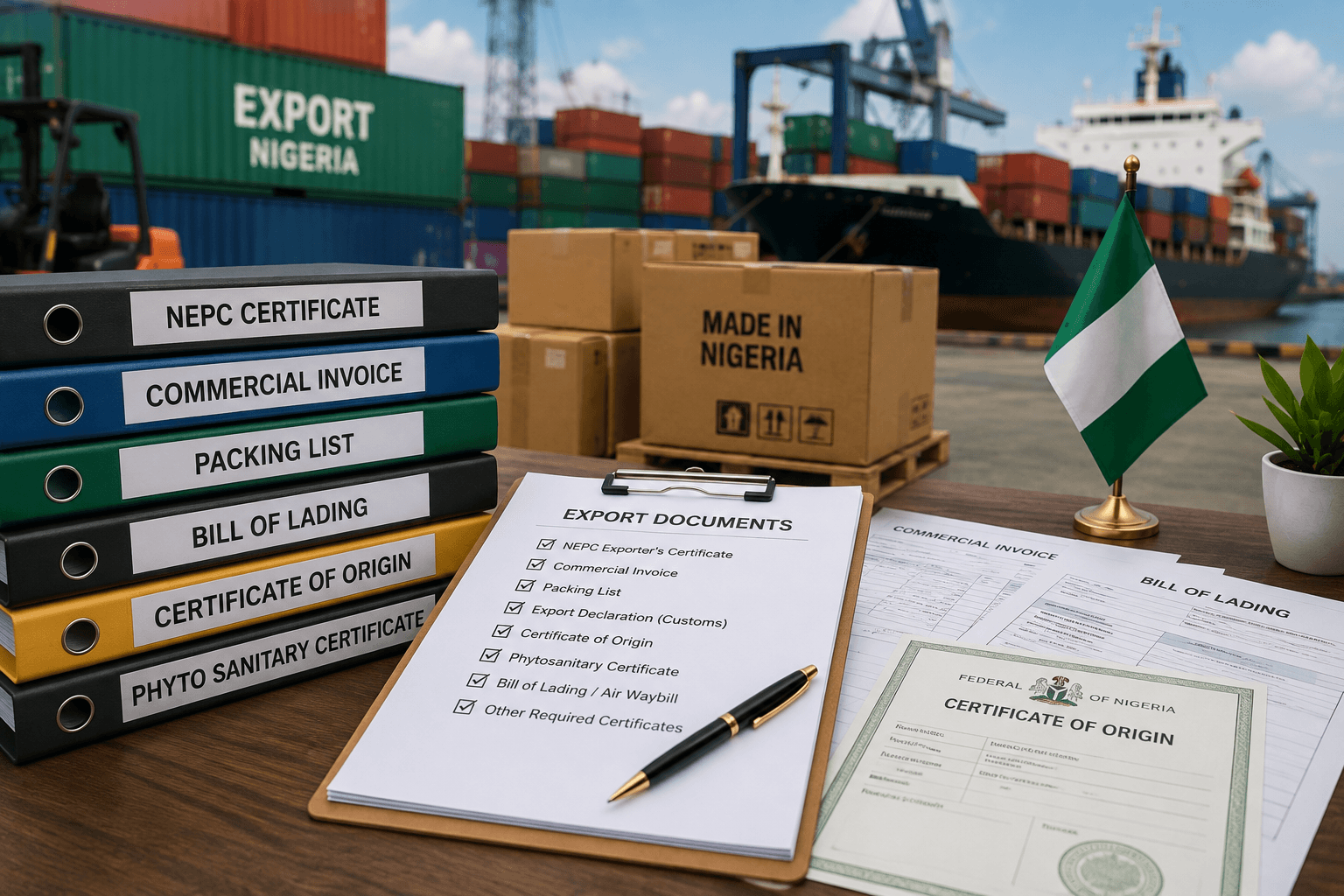
Procurement often involves meeting both export and import requirements, making regulatory compliance an important part of the sourcing process. Missing documentation, incorrect product classifications, or failure to meet country-specific regulations can result in customs delays, additional costs, or rejected shipments.
Before placing an order, buyers should confirm the documentation required for both the exporting and importing countries. Depending on the product and destination, this may include certificates of origin, product certifications, inspection reports, or other trade documents.
Working closely with suppliers and logistics partners to prepare the necessary documentation helps businesses avoid compliance issues, minimise delays, and keep procurement activities running smoothly.
6. Communication Risks
Clear communication is essential throughout the procurement process. Misunderstood product specifications, delayed responses, incomplete information, or changing requirements can lead to production errors, missed delivery deadlines, and unnecessary procurement costs.
International buyers should communicate procurement requirements as clearly as possible and keep written records of product specifications, delivery expectations, and agreed commercial terms. Regular updates throughout production also help both parties address potential issues before they become larger problems.
Building strong communication practices with suppliers improves collaboration, reduces misunderstandings, and contributes to more successful long-term procurement relationships.
7. Market and Supply Chain Risks
Market conditions can change quickly, affecting product availability, pricing, and delivery schedules. Seasonal production, supply shortages, currency fluctuations, and economic or political developments may all influence procurement outcomes.
Businesses can reduce these risks by monitoring market trends, planning purchases in advance where possible, and avoiding overreliance on a single supplier or sourcing region. Building a diversified supplier network also helps improve supply chain resilience when market conditions change.
Best Practices for Reducing Procurement Risks
While procurement risks cannot be eliminated completely, businesses can reduce their impact by following a few proven best practices. Taking a proactive approach before placing an order helps minimise uncertainty, strengthen supplier relationships, and improve procurement outcomes.

Define Your Requirements Clearly
Clearly document product specifications, quality standards, quantities, delivery timelines, and commercial expectations before engaging suppliers. Well-defined requirements reduce misunderstandings and make it easier to compare supplier offers.
Verify Suppliers Before Committing
Conduct due diligence before entering into any commercial agreement. Verify business registration, certifications, export experience, and production capacity to ensure the supplier can meet your procurement requirements. For a detailed checklist, read How to Verify African Suppliers Before Buying.
Compare Multiple Supplier Quotations
Request quotations from several suppliers using the same specifications. Comparing pricing, lead times, payment terms, and supplier capabilities helps you identify the best overall value rather than choosing based on price alone.
Plan Logistics Early
Confirm shipping responsibilities, documentation requirements, delivery schedules, and customs considerations before production begins. Early planning helps reduce delays and unexpected procurement costs.
Keep Communication and Agreements Documented
Record product specifications, commercial terms, delivery expectations, and any agreed changes in writing. Clear documentation reduces misunderstandings and provides a reliable reference throughout the procurement process.
Monitor Supplier Performance
Procurement does not end after an order is delivered. Reviewing supplier performance over time helps businesses identify reliable partners, address recurring issues, and build stronger long-term sourcing relationships.
How B2B Marketplaces Help Reduce Procurement Risks
Managing procurement across multiple suppliers can become challenging when supplier research, quotations, communication, and documentation are handled across different channels. B2B marketplaces simplify this process by bringing supplier discovery and procurement management together in one place.
Platforms like Kuraway help international buyers connect with verified manufacturers, exporters, producers, and distributors across Africa. Instead of spending hours searching for suppliers individually, buyers can discover potential suppliers, submit Requests for Quotations (RFQs), compare supplier responses, and manage procurement conversations through a single platform.
Using a structured marketplace also improves procurement visibility by making it easier to organise supplier information, compare commercial offers, and maintain consistent communication throughout the sourcing process. This helps businesses reduce supplier uncertainty, improve procurement efficiency, and make more informed purchasing decisions.
If you're looking to build a reliable supplier shortlist, read our guide on How to Find Trusted African Wholesale Suppliers. For businesses ready to begin sourcing, Request a Quote on Kuraway to connect with verified suppliers that match your procurement requirements.
Frequently Asked Questions
What are the biggest procurement risks when sourcing from Africa?
Some of the most common procurement risks include supplier verification issues, inconsistent product quality, logistics delays, payment disputes, regulatory compliance challenges, communication gaps, and changing market conditions. Understanding these risks early helps businesses make better sourcing decisions and avoid costly disruptions.
How can businesses reduce procurement risks?
Businesses can reduce procurement risks by clearly defining procurement requirements, verifying suppliers, requesting quotations from multiple suppliers, comparing offers beyond price, planning logistics early, and maintaining clear communication throughout the procurement process.
Why is supplier verification important?
Supplier verification helps buyers confirm that a business is legitimate and capable of meeting procurement requirements. Verifying business registration, certifications, export experience, and production capacity reduces the risk of fraud, poor product quality, and supply chain disruptions.
What is supplier due diligence?
Supplier due diligence is the process of evaluating a supplier before entering into a commercial agreement. It typically includes reviewing business credentials, production capabilities, certifications, financial stability, export experience, and overall reliability to ensure the supplier can meet procurement expectations.
How B2B marketplaces help reduce procurement risks
B2B marketplaces simplify supplier discovery by connecting buyers with verified suppliers and providing a structured environment for submitting RFQs, comparing supplier offers, and managing procurement communications. This improves transparency, saves time, and helps businesses make more informed sourcing decisions.
Conclusion
Procurement in Africa offers international buyers access to a diverse range of suppliers and growing sourcing opportunities across multiple industries. Like any international procurement market, however, success depends on understanding potential risks and taking practical steps to manage them before they affect your business.
By verifying suppliers, defining procurement requirements clearly, comparing multiple quotations, planning logistics early, and maintaining strong communication throughout the sourcing process, businesses can reduce procurement risks and build more reliable supply chains.
If you're new to sourcing from Africa, begin with our procurement guide for international buyers. Ready to source with confidence? Request a Quote on Kuraway to connect with verified suppliers that match your procurement requirements.