Procurement in Africa: A Practical Guide for International Buyers
As global businesses continue to diversify their supply chains, procurement in Africa has become an increasingly attractive option for sourcing agricultural commodities, manufactured goods, industrial products, chemicals, pharmaceuticals, consumer goods, and other wholesale products. With expanding manufacturing capabilities, growing export networks, and a diverse base of African manufacturers, exporters, producers, and distributors, the continent offers international buyers access to reliable sourcing opportunities across multiple industries.
Successful procurement requires: A structured approach to identifying suitable suppliers, requesting quotations, comparing offers, managing sourcing risks, and making informed purchasing decisions. A clear procurement process helps businesses improve efficiency, strengthen supply chains, and build long-term relationships with trusted suppliers.
This guide explains how procurement works in Africa for international buyers and procurement professionals. You'll learn the key stages of commercial procurement, common mistakes to avoid, and how African B2B marketplaces like Kuraway can simplify supplier discovery and procurement management.
What Is Procurement?
Procurement is the strategic process of sourcing, evaluating, negotiating, and purchasing goods or services to meet a business's operational needs. It covers the full sourcing journey, from identifying business needs and reviewing suppliers to negotiating commercial terms and managing supplier relationships.
Following a structured procurement process helps businesses improve purchasing decisions, strengthen supply chains, and build long-term relationships with trusted manufacturers, exporters, distributors, and suppliers across African markets.
Why Businesses Procure Products from Africa
Businesses procure products from Africa because the continent offers competitive pricing, diverse product categories, and growing supplier capacity. As manufacturing capabilities expand and export infrastructure continues to improve across many African countries, Africa has become an increasingly important sourcing destination for international buyers looking to build resilient and diversified supply chains.
Today, companies source products from African manufacturers, exporters, producers, and distributors across industries including agriculture, food processing, industrial products, chemicals, pharmaceuticals, textiles, consumer goods, and construction materials. This diversity allows importers, wholesalers, retailers, and procurement professionals to source products that meet different quality standards, production requirements, and market demands.
Beyond product availability, procuring from Africa enables businesses to diversify supply chains, reduce dependence on single sourcing regions, and build long-term partnerships with suppliers in growing markets. By following a structured procurement process and working with verified suppliers, businesses can improve sourcing efficiency while reducing procurement risks.
How Procurement Works in Africa
Whether you're sourcing agricultural commodities, industrial products, chemicals, pharmaceuticals, consumer goods, or manufactured products, following a structured procurement process helps buyers compare suppliers, reduce sourcing risks, and make informed purchasing decisions. While procurement requirements vary by industry, the workflow below outlines the key steps most international buyers follow when procuring products across African markets.

1. Define Your Procurement Requirements
Begin by clearly identifying the products you need to source, including specifications, quality standards, estimated order quantities, delivery timelines, and budget. Well-defined procurement requirements make it easier to identify suppliers that can meet your business needs.
2. Research and Shortlist Suppliers
Identify manufacturers, exporters, producers, and distributors that match your sourcing needs. If you're still looking for suppliers, read our guide on How to Find Trusted African Wholesale Suppliers to discover and compare suppliers before creating your shortlist. Compare suppliers based on experience, production capacity, product range, export capabilities, and their ability to meet your procurement requirements.
3. Request Quotations (RFQs)
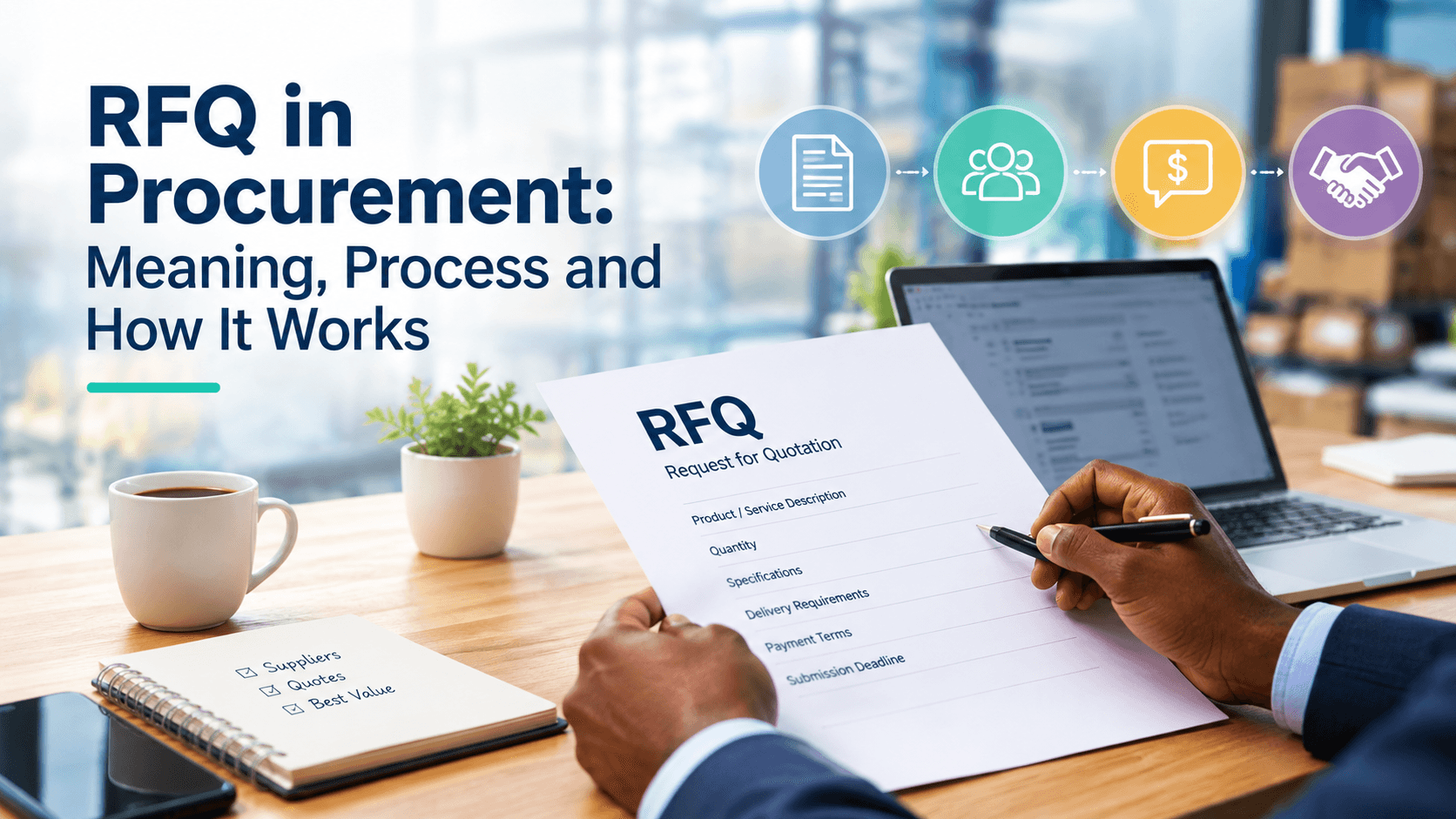
Send a Request for Quotation (RFQ) to multiple suppliers using the same product specifications and procurement requirements. Comparing quotations helps you evaluate pricing, lead times, payment terms, and commercial offers before making a purchasing decision.
4. Evaluate Supplier Offers
Look beyond price. Compare product quality, production capacity, commercial terms, export experience, delivery schedules, and supplier responsiveness to determine which offer best supports your business objectives.
5. Verify Suppliers
Before placing an order, verify the supplier's business registration, certifications, export experience, and ability to meet your procurement requirements. Proper supplier verification reduces procurement risks and improves purchasing confidence. For a detailed guide, read How to Verify African Suppliers Before Buying.
6. Negotiate Terms and Place Your Order
Once you've selected the most suitable supplier, finalize product specifications, negotiate commercial and payment terms, confirm delivery arrangements, and place your order with confidence.
Common Procurement Mistakes to Avoid
Even with a structured procurement process, businesses can make decisions that lead to higher costs, supplier disputes, or unnecessary sourcing delays. Avoiding these common procurement mistakes can help improve purchasing decisions, reduce sourcing risks, and build stronger relationships with suppliers across African markets.
1. Choosing Suppliers Based Only on Price
The lowest quotation does not always provide the best value. Consider product quality, production capacity, commercial terms, export experience, delivery reliability, and supplier responsiveness alongside pricing before making a decision.
2. Requesting Quotations from Only One Supplier
Obtaining quotations from multiple suppliers gives you a better understanding of market pricing, lead times, payment terms, and available sourcing options. It also strengthens your negotiating position and helps identify the supplier that best meets your procurement requirements.
3. Skipping Supplier Verification
Before awarding a contract or placing an order, verify that a supplier is legitimate and capable of meeting your business requirements. Reviewing business registration, certifications, export experience, and production capacity helps reduce procurement risks and improve purchasing confidence.
4. Failing to Plan for Logistics and Delivery
Procurement does not end when an order is placed. Production schedules, shipping timelines, customs requirements, and delivery coordination should be considered early to avoid unexpected delays and supply chain disruptions.
How B2B Marketplaces Simplify Procurement in Africa
Managing procurement across multiple suppliers can quickly become time-consuming, especially when researching businesses, requesting quotations, comparing offers, and coordinating communication across different channels. African B2B marketplaces simplify these tasks by bringing supplier discovery and procurement management into one place.
Platforms like Kuraway enable businesses to discover verified manufacturers, exporters, producers, and distributors across multiple industries. Buyers can browse supplier profiles, submit Requests for Quotations (RFQs), compare supplier responses, and communicate directly with potential suppliers throughout the procurement process.
By combining supplier discovery, RFQs, and supplier engagement within a single platform, African B2B marketplaces help businesses streamline procurement, reduce sourcing risks, and make more informed purchasing decisions.
Frequently Asked Questions
What is procurement?
Procurement is the strategic process of sourcing, evaluating, negotiating, and purchasing goods or services to meet a business's operational needs. It includes supplier selection, Request for Quotations (RFQs), contract negotiation, and supplier management, making it broader than simply purchasing products.
How does procurement work in Africa?
Commercial procurement in Africa typically involves defining procurement requirements, researching and shortlisting suppliers, requesting quotations (RFQs), evaluating supplier offers, verifying supplier credentials, negotiating commercial terms, and placing an order. Following a structured procurement process helps businesses reduce sourcing risks and make informed purchasing decisions.
What is the difference between procurement and purchasing?
Procurement is the complete sourcing process, while purchasing refers specifically to the transaction of buying goods or services.
What is a Request for Quotation (RFQ)?
A Request for Quotation (RFQ) is a document sent to suppliers requesting pricing, product specifications, lead times, payment terms, and other commercial information. Comparing quotations from multiple suppliers helps buyers select the supplier that best meets their procurement requirements.
How can businesses reduce procurement risks?
Businesses can reduce procurement risks by defining clear procurement requirements, requesting quotations from multiple suppliers, verifying supplier credentials, comparing offers beyond price, and planning for logistics and delivery before placing an order.
Conclusion
Procurement in Africa offers international buyers access to competitive suppliers, diverse product categories, and expanding trade opportunities across multiple industries. However, successful procurement requires more than simply finding suppliers. It involves following a structured process, comparing supplier offers, verifying supplier capabilities, and making informed purchasing decisions that support long-term business goals.
Whether you're sourcing agricultural commodities, manufactured goods, industrial products, chemicals, pharmaceuticals, or consumer goods, applying the right procurement practices can help reduce sourcing risks and improve supply chain efficiency. If you're new to supplier verification or supplier discovery, be sure to read our guides on How to Verify African Suppliers Before Buying and How to Find Trusted African Wholesale Suppliers before starting your procurement journey.
Ready to source products from Africa? Request a Quote on Kuraway to connect with verified suppliers that match your procurement requirements, or download the Kuraway app to discover suppliers, submit RFQs, and manage your procurement process more efficiently.