How to Verify African Suppliers Before Buying | Supplier Due Diligence Guide
Africa is home to fast-growing manufacturing and export markets, making it an attractive destination for businesses looking to buy products from Africa, source products from Africa, or import from Africa. From agricultural commodities and industrial materials to pharmaceuticals, textiles, and manufactured goods, businesses can access a wide range of sourcing opportunities across the continent. However, finding a supplier is only the first step. Before placing an order or making a payment, you need to confirm that the business is legitimate, capable of meeting your requirements, and experienced in international trade.
As more businesses turn to African B2B marketplaces such as Kuraway to find suppliers in Africa, discovering manufacturers and exporters has become easier than ever. Supplier discovery should always be followed by proper supplier due diligence before entering into a commercial agreement.
Verifying an African supplier comes down to six key steps: confirming the business is legally registered, reviewing its export experience, checking relevant certifications, requesting product samples, validating customer references, and following secure sourcing and payment practices. These checks help reduce the risk of fraud, poor-quality products, and costly sourcing mistakes.
In this guide, you'll learn how to find suppliers in Africa, vet suppliers effectively, recognize warning signs, and confidently move from supplier discovery to purchasing. Whether you're working with African manufacturers, exporters, or trading companies, these practical steps will help you build trusted sourcing partnerships and reduce risk when engaging in cross-border sourcing.
Why Verifying African Suppliers Matters
Sourcing products from Africa gives businesses access to competitive pricing, abundant natural resources, growing manufacturing capacity, and unique products that may be difficult to source elsewhere. Like any form of cross-border trade, however, successful sourcing depends on working with suppliers that are legitimate, capable, and reliable.
Supplier verification is a due diligence process that helps buyers confirm a supplier's legal status, operational capabilities, export experience, and credibility before committing to a purchase. Taking the time to verify a supplier reduces uncertainty, protects your investment, and creates a stronger foundation for long-term business relationships.
Without proper verification, buyers may face risks such as:
- Working with suppliers that are not legally registered.
- Receiving products that do not match agreed specifications or quality standards.
- Delays caused by suppliers with limited export experience.
- Fake certifications or misleading business information.
- Financial losses resulting from fraudulent transactions or unsafe payment practices.
It's important to remember that verification is not about distrusting African businesses. Many African manufacturers and exporters have years of experience serving international markets. Verification is simply a standard procurement best practice that helps buyers distinguish legitimate suppliers from unreliable or fraudulent operators before committing to a purchase.
Whether you're sourcing agricultural commodities, industrial materials, pharmaceuticals, manufactured goods, or consumer products, supplier verification reduces risk, improves purchasing confidence, and increases the likelihood of building successful, long-term sourcing partnerships.

Cross-border sourcing is built on trust, and trust begins with proper due diligence. Verifying a supplier before buying is one of the most effective ways to reduce risk and make informed sourcing decisions.
Where to Find African Suppliers Before You Verify Them
Before you can verify a supplier, you first need to find suppliers in Africa. African manufacturers, exporters, and trading companies can be discovered through African B2B marketplaces, trade associations, trade fairs, government export agencies, and professional referrals. Each sourcing channel offers different advantages, but none guarantees that a supplier is legitimate or the right fit for your business. Whether you discover a supplier through an African B2B marketplace, a trade association, or a government export directory, supplier due diligence should always come before placing an order or making a payment.
Online B2B Marketplaces
African B2B marketplaces are one of the fastest ways to discover African suppliers, manufacturers, exporters, and trading companies across different industries. They allow buyers to search by product category, country, or industry while comparing multiple businesses in one place. When reviewing a supplier profile, look for:
- Complete company information.
- Product catalog and descriptions.
- Business registration details.
- Certifications and compliance information.
- Response rate and communication history.
- Customer reviews or transaction history, where available.
Marketplaces simplify supplier discovery, but every supplier should still be independently verified before an order is placed.
Trade Associations
Trade and industry associations can also help you identify reputable manufacturers and exporters. Many established exporters join professional associations as a sign of industry participation and commitment to recognized standards.
Examples include the African Cotton & Textile Industries Federation, the Eastern Africa Grain Council, and national manufacturers' associations across different African countries.
Association membership is a positive credibility signal, but it should only form one part of your overall supplier verification process.
Trade Fairs and Exhibitions
Trade fairs and exhibitions allow buyers to meet suppliers in person, inspect products, and compare manufacturers, exporters, and wholesale suppliers in one location. They provide valuable opportunities to discuss production capacity, quality standards, lead times, pricing, and export experience.
Meeting a supplier face to face can help build confidence, but it should never replace verification. After the event, request supporting documents and independently confirm the company's details before moving forward.
Government Export Promotion Agencies
Government export promotion agencies often maintain directories of verified exporters and export-ready manufacturers and support businesses involved in international trade.
Examples include the Nigeria Export Promotion Council (NEPC), the Ghana Export Promotion Authority (GEPA), and the Kenya Export Promotion and Branding Agency (KEPROBA).
Being listed by a government export agency can strengthen a supplier's credibility, but buyers should still verify business registration, certifications, production capacity, and export experience before entering into a commercial agreement.
Referrals and Industry Networks
Recommendations from business partners, procurement professionals, trade organizations, or industry networks can also help you discover suppliers that have already been vetted by business partners or procurement professionals.However, every referral should be verified independently. A recommendation is simply a starting point, not a substitute for proper due diligence.

Finding suppliers in Africa is only the first step in the sourcing journey. Whether you discover African manufacturers and exporters through an African B2B marketplace like Kuraway, a trade fair, an industry association, or a government export agency, the next step is always to verify the supplier's legitimacy, capabilities, and export readiness before placing an order or making a payment.
Looking for reliable African suppliers?
Request a Quote on Kuraway to connect with suppliers that match your sourcing requirements.
How to Verify African Suppliers Before Buying
Finding a supplier is only the beginning. Before you buy products from Africa or import from Africa, you need to confirm that the supplier is legitimate, capable of meeting your requirements, and experienced in international trade. While the documents and certifications you request will vary depending on the product and country, the verification process follows the same core principles. By working through the steps below, you can assess a supplier's legal status, operational capability, product quality, and overall reliability before entering into a commercial agreement.
Verify Business Registration
The first step in supplier verification is confirming that the business legally exists. A legitimate supplier should be able to provide its registered company name, business registration number, tax identification number (where applicable), and any other official documents required by its country of operation.
Do not rely solely on documents provided by the supplier. Whenever possible, cross-check the company's information through the relevant government business registry or official corporate database. The registered company name should match the name used on the supplier's website, invoices, certificates, email domain, and bank details. Any inconsistency should be investigated before moving forward.
You should also confirm basic business information such as the company's physical address, years in operation, contact details, and primary business activities. Established suppliers are generally transparent about their identity and maintain a consistent business presence across multiple channels.
A supplier that hesitates to share registration information, provides incomplete documents, or cannot be found in official records should be treated with caution.
Quick Verification Checklist
Before moving to the next step, confirm that you have verified:
- Registered legal company name.
- Business registration number.
- Tax identification number (where applicable).
- Company listed in an official government registry.
- Company details are consistent across the website, invoices, certificates, email domain, and bank details.
Review Export Experience
A legally registered business is not always an experienced exporter. If you're planning to source products from Africa or import from Africa, reviewing a supplier's export experience is just as important as confirming its legal registration.Ask the supplier which countries they currently export to, how long they have been serving international buyers, and which products they regularly ship. Experienced exporters should be able to explain their target markets, production capacity, shipping methods, lead times, and logistics capabilities with confidence.
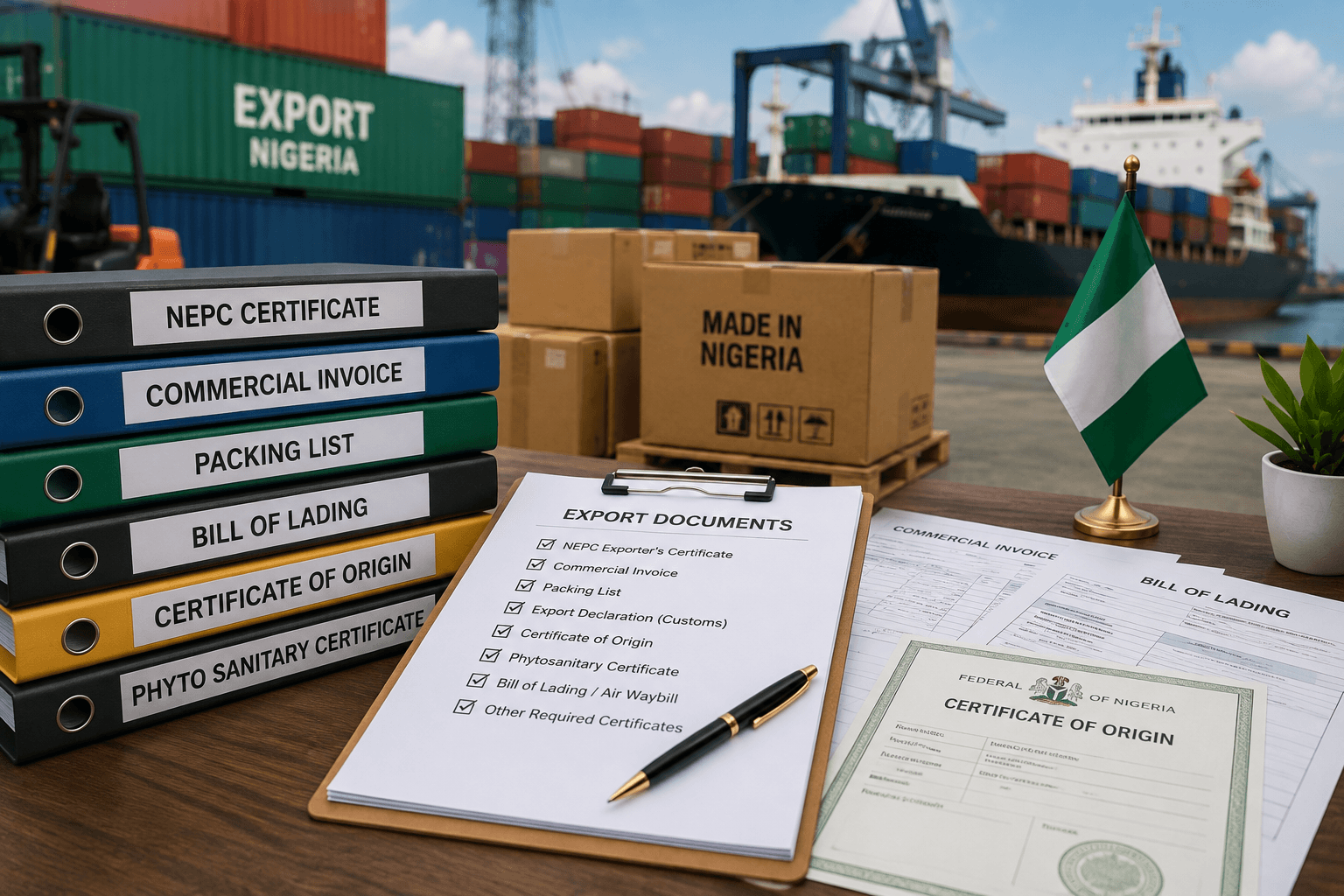
When appropriate, request evidence of previous export activity. This may include export licenses, certificates of origin, sample shipping documents, or references from international buyers. While some records may contain confidential information, reputable suppliers can usually provide enough evidence to demonstrate their export experience without compromising client privacy.
A supplier with a proven export track record is generally better prepared to manage customs requirements, documentation, packaging, and international logistics. This helps reduce delays, compliance issues, and unexpected costs.
Quick Verification Checklist
Before moving to the next step, confirm that the supplier can provide:
- Evidence of previous export activity.
- Information about the countries they currently export to.
- Realistic production capacity and lead times.
- Experience with customs documentation and international shipping.
- Clear explanations of logistics, packaging, and delivery processes.
Review Certifications
Business registration confirms that a company legally exists, but certifications help demonstrate that it meets specific quality, safety, or industry standards. The certifications you request will depend on the product category, destination market, and applicable regulatory requirements.
For example, manufacturers may hold quality management certifications such as ISO 9001, while food and agricultural exporters may require phytosanitary certificates or food safety documentation. Suppliers of pharmaceuticals, chemicals, textiles, or industrial products may require additional licenses, compliance documents, or industry-specific certifications.
Rather than requesting the same documents from every supplier, identify the certifications relevant to your product category and destination market.Certifications demonstrate compliance with specific standards, but they are not proof of trustworthiness on their own. They should always be reviewed alongside business registration, export experience, product quality, and other due diligence checks.

Certification requirements vary depending on the product, destination market, and applicable regulations. Always confirm that a certificate is relevant, current, and issued by a recognized or accredited certification body.
Quick Verification Checklist
Before moving to the next step, confirm that you have:
- Identified the certifications relevant to your product category.
- Verified that the certificates are valid and up to date.
- Confirmed they were issued by recognized or accredited certification bodies.
- Checked that the supplier's details match the certification documents.
- Ensured certifications support, rather than replace, your overall verification process.
Request Product Samples
Product samples allow you to evaluate quality before committing to a larger order. They help confirm that the supplier can meet your specifications and provide an opportunity to assess workmanship, materials, packaging, labeling, and overall consistency.
When reviewing samples, compare them against your product requirements. Check dimensions, finish, durability, branding, packaging quality, and any technical specifications relevant to your industry. If necessary, request samples from multiple suppliers to compare quality and value before making a decision.
For customized or private-label products, confirm that the supplier can consistently reproduce the agreed specifications in larger production runs. A high-quality sample should accurately reflect what you can expect from future orders.
If you're comparing several African manufacturers or exporters, requesting samples from shortlisted suppliers makes it easier to evaluate quality before making a final sourcing decision.
Quick Verification Checklist
Before moving to the next step, confirm that you have:
- Received product samples.
- Checked product quality and workmanship.
- Reviewed packaging and labeling.
- Confirm the samples meet your specifications.
- Compared samples where multiple suppliers are being considered.
Ask for References
Customer references are one of the most effective ways to vet suppliers before entering into a commercial agreement. Speaking with previous buyers can help you understand how the supplier communicates, handles quality issues, meets delivery timelines, and resolves problems.
Ask for references from customers who have purchased similar products or operate in comparable markets. Where possible, request case studies, testimonials, or examples of long-term customer relationships.
Keep in mind that suppliers are likely to share positive references, so treat them as one part of your overall verification process rather than the sole basis for your decision.
Quick Verification Checklist
Before moving to the next step, confirm that you have:
- Requested customer references.
- Reviewed testimonials or case studies.
- Verified that the references are genuine.
- Asked about product quality, communication, and delivery performance.
Conduct a Video Meeting
A video meeting provides another opportunity to vet suppliers and confirm that you're dealing with a genuine business before placing an order.During the meeting, ask questions about production capacity, lead times, quality control, export experience, and order fulfillment. If appropriate, request a virtual tour of the factory, warehouse, or production facility. This can help verify that the business has the operational capability it claims.
Pay attention to how clearly the supplier answers your questions and whether the information matches the documents previously provided. Consistency across conversations, documentation, and business records is a strong indicator that you're working with a professional supplier. Consistency across conversations, documentation, and business records is a strong indicator that you're working with a professional supplier.
Quick Verification Checklist
Before moving to the next step, confirm that you have:
- Conducted a live video meeting.
- Asked operational and production-related questions.
- Requested a virtual facility tour where appropriate.
- Confirmed that the supplier's responses match the supporting documents.
- Assessed the supplier's professionalism and communication.
At this stage, you should have verified the supplier's business registration, export experience, certifications, product quality, references, and operational capability. The final step before placing an order is making sure your payment process is secure and properly documented.
Safe Payment Practices
Even after verifying a supplier, payment remains one of the highest-risk stages of the sourcing process. Taking a few extra precautions before transferring funds can help protect your business and reduce the likelihood of financial loss.
Whenever possible, avoid paying the full order value upfront when working with a new supplier. Instead, negotiate staged payments that align with production milestones or agreed delivery terms. For higher-value transactions, consider using an escrow service or another secure payment solution that protects both buyer and supplier.
Before making payment, confirm that the supplier's bank account matches the registered business name and the details provided on official documents. Any differences should be clarified before funds are transferred.
Finally, ensure that both parties have agreed on clear contract terms covering product specifications, pricing, payment schedules, delivery timelines, shipping responsibilities, and dispute resolution procedures. A written agreement helps protect both parties and reduces the risk of misunderstandings.
Before making payment, confirm that you have:
- Verified the supplier's business registration.
- Reviewed relevant certifications and compliance documents.
- Evaluated the supplier's export experience.
- Inspected product samples or other quality evidence.
- Checked customer references.
- Confirmed the supplier's bank account details.
- Agreed on clear contract and payment terms.
- Selected a secure payment method where possible.
Making payment should be the final step in your supplier verification process, not the first. Taking a few extra precautions before transferring funds can significantly reduce sourcing risk and help build stronger, more reliable business relationships.
How Kuraway Makes Supplier Verification Easier

Verifying suppliers becomes much easier when important business information is available in one place. Instead of searching across multiple websites, directories, and communication channels, buyers can manage more of the supplier discovery and evaluation process through a single platform.
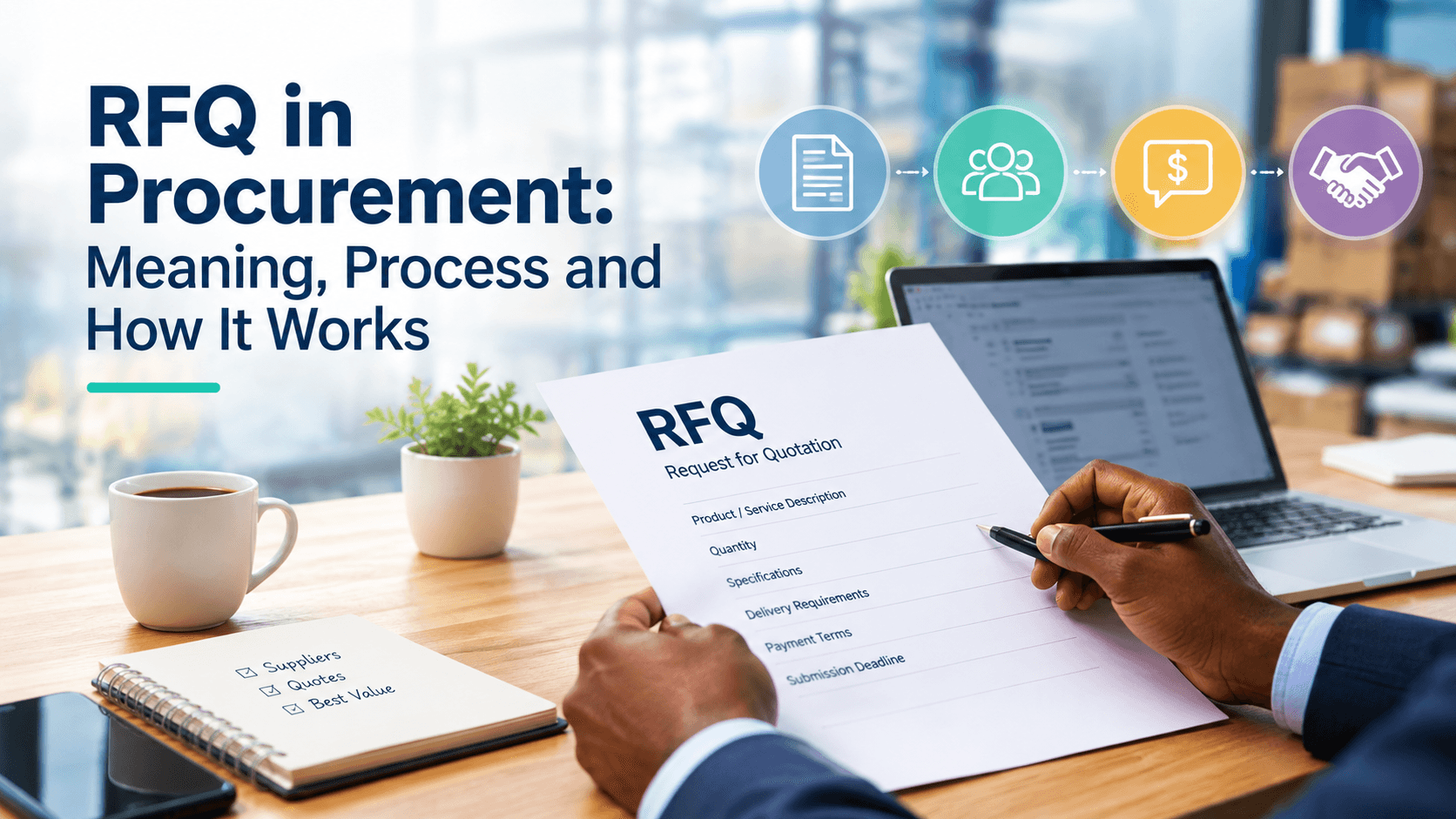
Kuraway helps businesses discover African suppliers across multiple countries and product categories while providing information that supports informed sourcing decisions. Buyers can browse supplier profiles, compare sourcing options, communicate directly with suppliers, and submit Requests for Quotation (RFQs) through one platform.
While buyers should always conduct their own due diligence, having access to organized supplier information and trust signals can make the verification process more efficient and reduce the time spent researching potential sourcing partners.

Kuraway does not replace supplier verification. Instead, it helps simplify supplier discovery and comparison so buyers can spend more time evaluating suppliers and making informed purchasing decisions.
Ready to Start Sourcing?
Supplier verification is one of the most important steps in successful cross-border sourcing. By confirming business registration, reviewing certifications, checking export experience, requesting product samples, and following secure payment practices, you can make more informed sourcing decisions and reduce unnecessary risk.
Whether you're sourcing agricultural products, manufactured goods, industrial materials, pharmaceuticals, or consumer goods, Kuraway helps you discover suppliers and connect with businesses across Africa through one platform.
Ready to take the next step?
- Request a Quote to connect with suppliers that match your sourcing needs.
- Download the Kuraway App to discover products, communicate with suppliers, and manage your sourcing journey more efficiently.
Frequently Asked Questions
How do I know if an African supplier is legitimate?
Start by verifying the supplier's business registration through an official government registry and checking that the company name matches its website, invoices, certificates, and bank details. Then review the supplier's export experience, relevant certifications, customer references, and product samples before making any payment. A legitimate supplier should be transparent and willing to provide supporting documentation.
What documents should I request from a supplier?
The documents you request will depend on the product category, but common examples include business registration documents, export licenses, relevant certifications, tax identification details where applicable, and product compliance documents. You may also request references from previous buyers and sample shipping documents where appropriate.
Should I request product samples before placing an order?
Yes. Product samples allow you to evaluate quality, packaging, materials, labeling, and whether the product meets your specifications. For larger orders, requesting samples can help reduce the risk of receiving products that do not meet your expectations.
Can I verify a supplier without traveling?
Yes. Many verification steps can be completed remotely by reviewing official documents, checking government business registries, requesting product samples, speaking with customer references, and conducting video meetings. These checks help you assess suppliers before deciding whether an in-person visit is necessary.
What is the safest payment method when sourcing from Africa?
Whenever possible, avoid paying the full amount upfront when working with a new supplier. Use secure payment methods, agree on clear contract terms, confirm that the bank account matches the registered business name, and consider staged payments or escrow services where available.
How long does supplier verification take?
The time required depends on the supplier, the product, and the complexity of the transaction. Basic checks can often be completed within a few days, while larger sourcing projects may require additional time to verify documents, inspect samples, and confirm references.
Conclusion
Finding the right supplier is only the first step in successful sourcing. Before placing an order or making a payment, take the time to verify the supplier's business registration, export experience, certifications, product quality, references, and payment arrangements.
Following a structured verification process helps reduce sourcing risk, avoid costly mistakes, and build stronger, long-term business relationships. Whether you're sourcing agricultural products, manufactured goods, industrial materials, or consumer goods, due diligence gives you greater confidence in every purchasing decision. When you're ready to source products from Africa, Request a Quote on Kuraway or download the Kuraway App to connect with suppliers and begin your sourcing journey with greater confidence.