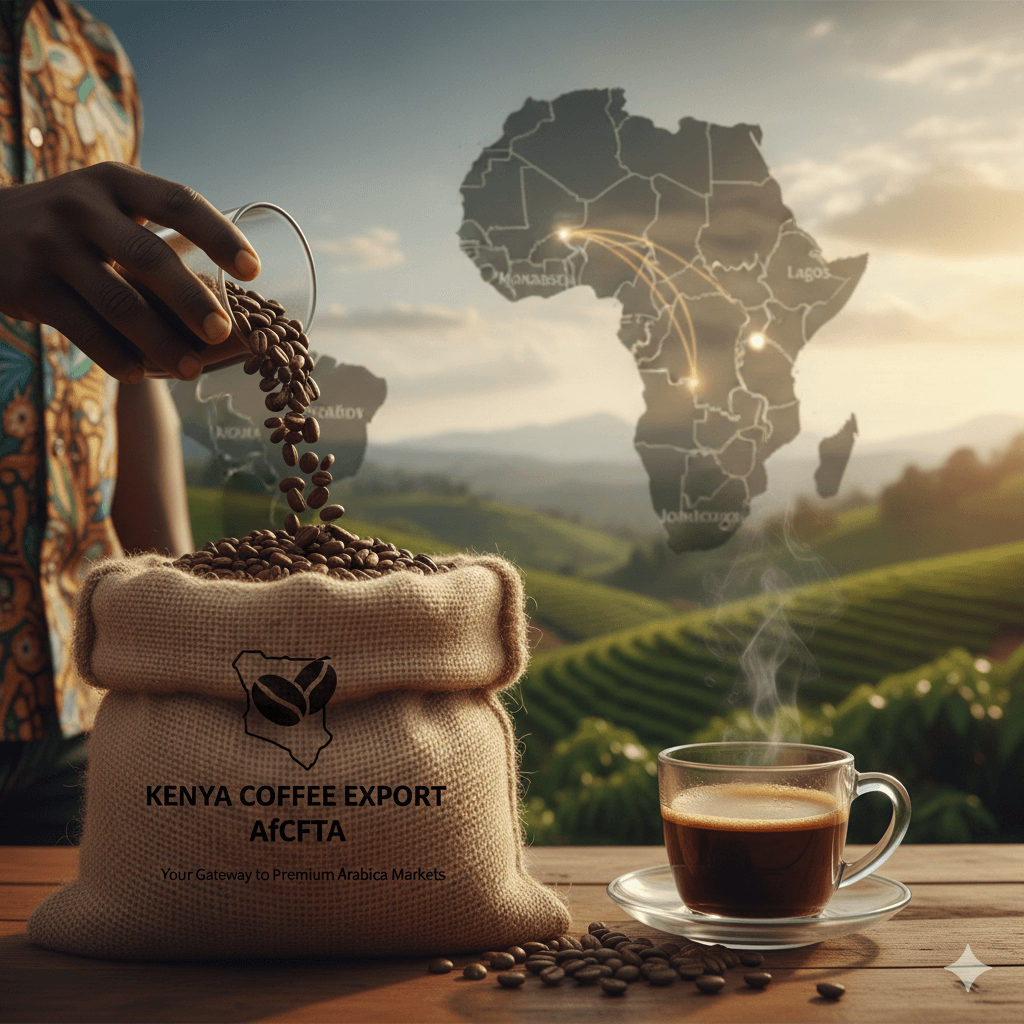
Kenya Coffee Export & AfCFTA: Your Gateway to Premium Arabica Markets
Here's something most coffee buyers don't realize: while everyone's scrambling for Ethiopian beans or chasing Colombian micro-lots, some of the world's finest Arabica coffee is sitting in Kenyan cooperatives, waiting for buyers who know what they're looking at.
I'm talking about the kind of coffee that makes specialty roasters weak in the knees. Bright acidity that tastes like blackcurrant and grapefruit had a baby. Clean cups that score 85+ without breaking a sweat. The legendary SL28 and SL34 varieties that define what "Kenyan profile" means in cupping rooms from Seattle to Stockholm.
And here's the kicker: with AfCFTA (African Continental Free Trade Area) now fully operational, the game's changed completely. Tariff barriers that made intra-African coffee trade a headache? Gone. Customs procedures that added weeks to shipments? Streamlined. Market access that was theoretical? Now it's real.
Whether you're a specialty roaster in Brooklyn, a wholesale distributor in Johannesburg, or a café chain looking to lock down premium single-origin supply, Kenyan coffee exports offer something most origins can't: exceptional quality with improving trade infrastructure that actually works.
Let me walk you through how this works in 2026.

Why Kenyan Coffee Commands Premium Prices
Kenya produces roughly 50,000 metric tons of coffee annually. Compare that to Brazil's 3+ million tons, and you'd think Kenya's a minor player. But here's what the numbers don't tell you: Kenya focuses almost exclusively on specialty-grade Arabica, grown at 1,400-2,100 meters above sea level in volcanic soil that's basically caffeinated gold.
The Kenyan coffee profile is distinctive. We're talking bright acidity (sometimes described as "winey"), full body, and flavor notes ranging from blackcurrant to citrus to berry. The famous AA grade (the largest bean size) represents the premium tier, but even smaller grades like AB and Peaberry deliver quality that many origins can't match at their best.
What makes Kenyan coffee special? The varieties, for starters. SL28 and SL34 were developed specifically for Kenyan conditions back in the 1930s by Scott Laboratories (hence the "SL" prefix). These cultivars produce complex flavor profiles that specialty buyers actively seek out. Then there's the processing: Kenyan washed processing involves double fermentation and multiple washing stages, creating exceptionally clean cups.
The coffee auction system in Nairobi adds another layer. Unlike direct trade models, Kenyan coffee mostly moves through the Nairobi Coffee Exchange, where buyers bid on lots based on quality. This creates price discovery that rewards quality with premium pricing. Top micro-lots regularly fetch $15+ per kilogram FOB.
How do I export Kenyan coffee beans internationally?
Let's get practical. Exporting Kenyan coffee isn't as complicated as people assume, but there are specific steps you need to nail.
First, you need to register with the Coffee Directorate of Kenya. This isn't optional. The Directorate regulates all coffee exports and ensures quality standards are met. Registration involves submitting company documentation, proof of business registration in Kenya or your home country, and paying the relevant fees.
Next, decide whether you're buying from the Nairobi Coffee Exchange auction or working directly with cooperatives and estates. The auction route gives you access to the full range of Kenyan coffee, graded and ready for export. Direct relationships with cooperatives can offer better pricing and direct impact stories, but require more relationship building.
Quality certification comes next. All export coffee must be graded and approved by the Coffee Directorate. Samples are tested, moisture content verified, and grades assigned (AA, AB, C, etc.). You'll receive official grading documents that accompany your shipment.
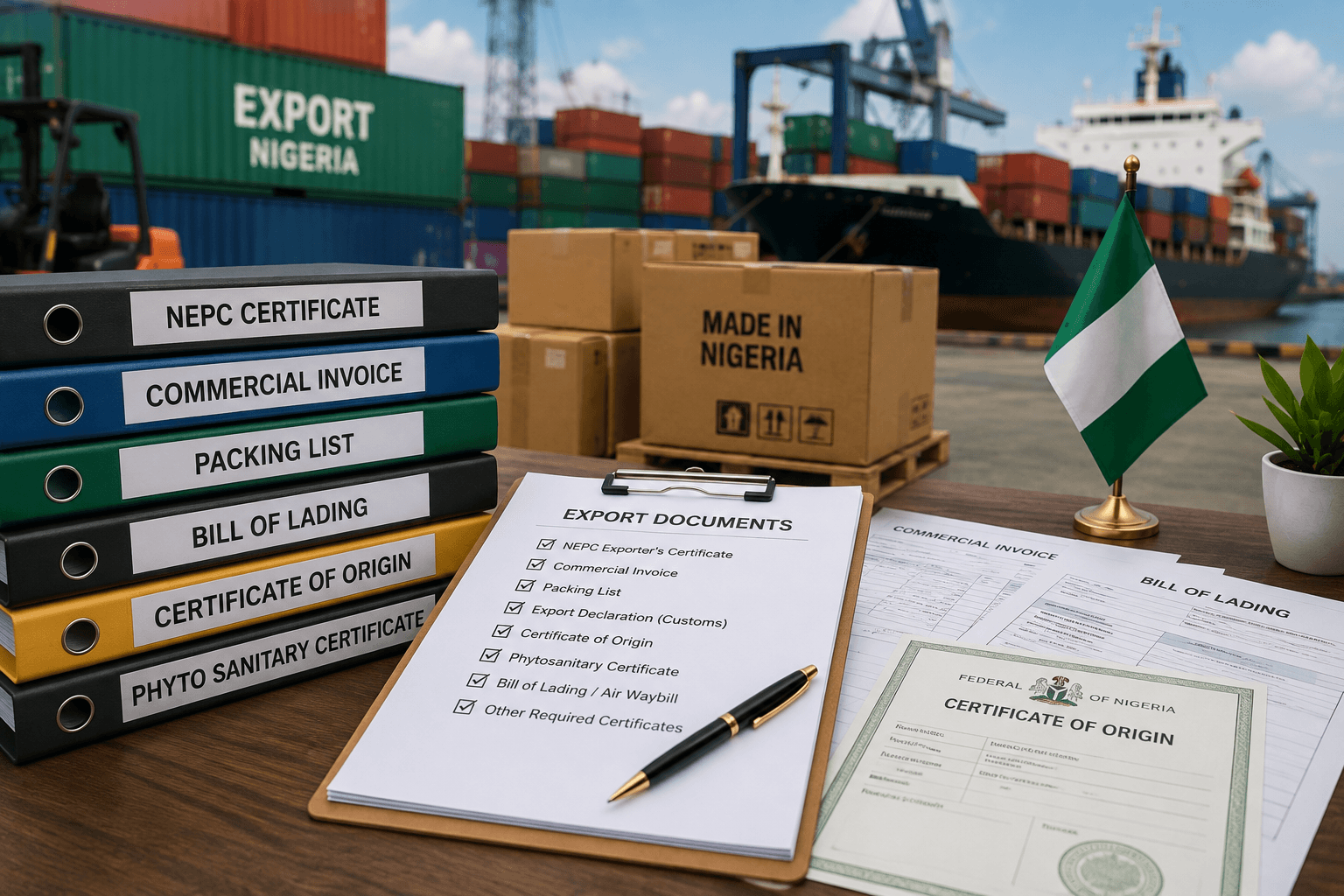
Export documentation includes a phytosanitary certificate (confirming the coffee is free from pests/diseases), certificate of origin (proving it's genuinely Kenyan coffee), commercial invoice, packing list, and bill of lading. If you're shipping to the EU or US, additional food safety documentation may be required.
Logistics typically route through Mombasa port, though air freight from Nairobi works for smaller specialty lots where freshness justifies the cost. Shipping times to Europe run 3-4 weeks, to the US East Coast about 4-5 weeks.
Working with platforms like Kuraway can streamline this process significantly. They connect buyers with vetted Kenyan coffee exporters who already have export licenses, established logistics, and quality certifications in place. Instead of figuring out Nairobi auction procedures or Coffee Directorate registration yourself, you're working with suppliers who've already cleared those hurdles.
AfCFTA: The Trade Agreement Actually Changing African Commerce
What are the best AfCFTA export opportunities for Kenyan products?
AfCFTA went live in January 2021, but 2024-2026 is when it's really hitting its stride. For Kenyan coffee exporters, this matters enormously because intra-African coffee consumption is growing fast while trade barriers are dropping.
Nigeria, for instance, imports substantial coffee despite minimal domestic production. South Africa has a developed coffee culture with specialty cafes proliferating. Egypt's coffee consumption has been climbing steadily. These markets previously involved complex tariff schedules and customs procedures. AfCFTA is simplifying this.
How does AfCFTA reduce tariffs for Kenyan exports to Africa?
The agreement eliminates 90% of tariffs on goods traded between African countries. For coffee, this means Kenyan exporters shipping to Lagos or Johannesburg pay zero or minimal tariffs instead of the 10-25% rates that existed before. That's a massive cost advantage that makes Kenyan coffee more competitive against South American imports.
But it's not just tariffs. AfCFTA includes provisions for customs harmonization, reducing the paperwork nightmare that used to plague cross-border African trade. Transit times have improved. Customs clearance procedures are more predictable. For perishable goods or products where freshness matters (like specialty coffee), these improvements are as valuable as tariff reductions.
Which African markets show highest demand for Kenyan coffee via AfCFTA?
The standouts are:
South Africa has the continent's most developed specialty coffee scene. Cape Town and Johannesburg have dozens of third-wave cafes demanding single-origin, traceable, high-quality coffee. Kenyan AA and micro-lots sell well here at premium pricing. The market's sophisticated enough to appreciate what makes Kenyan coffee special.
Nigeria is volume opportunity. With 200+ million people and growing middle class, coffee consumption is rising fast. Most current imports come from Vietnam or Brazil (commodity grade), but there's space for Kenyan coffee in the growing specialty segment. Lagos particularly has seen cafe culture expansion.
Egypt imports almost all its coffee. The market's traditionally favored Brazilian and Colombian beans, but Kenyan coffee is gaining traction, especially for espresso blends where the acidity balances nicely with darker roasts.
Morocco and Algeria in North Africa have strong coffee cultures (thanks to French influence) and import significant volumes. These markets appreciate quality and are willing to pay for it.
The beauty of AfCFTA for Kenyan exporters is that you can test multiple African markets with relatively low barriers to entry, then scale up where demand proves strongest.
Understanding Kenyan Coffee Grades and Varieties
What is the current FOB price for Kenyan AA coffee grade?
As of early 2026, Kenyan AA coffee trades at roughly $8-10 per kilogram FOB Mombasa for standard auction lots. Premium micro-lots or special preparation lots can hit $12-15/kg, sometimes higher for auction winners with exceptional cupping scores.
AB grade (slightly smaller beans) runs $7-9/kg. Peaberry (a natural mutation where one rounded bean grows instead of two flat beans) commands $8-11/kg due to its intense flavor concentration. Lower grades like C (for "Chop," used for blending) trade at $5-7/kg.
These prices fluctuate based on harvest timing (main crop is October-December, fly crop is May-July), international market conditions, and quality scores. The Nairobi auction sees wild price swings when exceptional lots come up for bidding.
Compare this to Brazilian commodity Arabica trading around $4-5/kg, and you see why Kenyan coffee positions as premium. The quality justifies the price for roasters serving discerning customers.
Let me break down the key varieties you'll encounter:
SL28: The flagship Kenyan variety. Developed for high altitude, produces exceptional cup quality with complex fruit and wine notes. Lower yielding than modern hybrids, but the flavor profile is unmatched. This is what serious buyers want.
SL34: SL28's sibling, more drought-resistant, similarly excellent quality. Slightly fuller body, chocolate undertones complementing the brightness. Many top estates plant both SL28 and SL34.
Ruiru 11: A modern hybrid developed for disease resistance (particularly coffee berry disease and leaf rust). Higher yielding, compact growth. Cup quality is good but doesn't quite reach SL28/SL34 heights. Great for volume-focused exporters serving AfCFTA markets where price matters more than absolute top-end quality.
Batian: Newer variety (released 2010) combining disease resistance with improved cup quality. Balanced profile, decent yields. Growing in popularity as estates replant aging SL28/SL34 trees.
K7: An older variety still found on some estates. Classic washed Kenyan profile with berry and winey complexity. Less common now but sought after by buyers specifically looking for it.
For exporters, the variety matters. If you're serving specialty roasters in the US or Europe, SL28/SL34 is what they want to see on the label. For AfCFTA volume sales into emerging markets, Ruiru 11 or Batian offers better pricing while maintaining good quality.
[Insert image: Kenyan coffee being processed at a wet mill showing the double fermentation tanks]
Certifications That Matter (And Ones That Don't)
What certifications are required for coffee export from Kenya (e.g., UTZ, Rainforest)?
Let's separate "required" from "valuable but optional."
Required: You must have Coffee Directorate approval and grading. This isn't negotiable. Without it, you literally cannot export coffee from Kenya legally. The grading process verifies quality, moisture content (must be below 12.5%), and assigns official grades.
Valuable for market access: Organic certification (EU Organic, USDA Organic) opens premium markets and commands price premiums of 10-30%. Rainforest Alliance certification signals environmental and social standards that many European buyers require. Fair Trade certification guarantees minimum prices and provides cooperative development funding.
Nice to have: UTZ certification (now merged with Rainforest Alliance) was popular but is less critical post-merger. Specialty Coffee Association (SCA) quality scores (80+ makes it specialty grade) help position coffee but aren't formal certifications.
Mostly marketing: Some certifications are more about brand positioning than substantive standards. Bird-friendly, shade-grown, women-produced, etc. can add value in niche markets but aren't mainstream requirements.
For AfCFTA exports within Africa, certification requirements are generally lighter than US/EU markets. South African buyers might request Rainforest Alliance. Nigerian buyers often care more about price and consistency than specific certifications. Egyptian buyers fall somewhere in between.
My advice? Start with the mandatory Coffee Directorate approval. If you're targeting premium markets (specialty roasters, organic stores), invest in organic and Rainforest Alliance certifications. For volume AfCFTA sales, focus on consistent quality and competitive pricing over certification overhead.
Finding Reliable Wholesale Buyers
Who are reliable wholesale buyers for Kenyan coffee exports?
This is where Kenya's auction system creates both opportunities and challenges. The Nairobi Coffee Exchange connects sellers (cooperatives, estates, marketing agents) with buyers (exporters, roasters, traders). If you're new to Kenyan coffee, the auction provides transparent price discovery and access to the full range of available coffee.
But direct relationships with cooperatives offer advantages too. You get:
Better origin stories: Direct relationships mean you know exactly which farmers produced your coffee, how they're paid, what sustainable practices they use. This matters enormously for specialty marketing.
Price negotiation: Bypass auction premiums by negotiating directly. Cooperatives often prefer stable, repeat buyers over auction volatility.
Custom processing: Want honey-processed Kenyan coffee? Anaerobic fermentation experiments? Cooperatives will work with you on special preparations that auction coffee won't offer.
Consistent supply: Lock in allocations before harvest, ensuring you get the volumes and quality you need when you need it.
Top Kenyan coffee cooperatives worth exploring include operations in Nyeri (Gikanda, Karuthi, Kagumo), Kirinyaga (Barichu, Kii), Embu (Mwiri Girls), and Murang'a (Kiru). Each has distinct terroir producing slightly different flavor profiles.
For buyers just entering the market, platforms like Kuraway provide vetted connections to Kenyan coffee exporters and cooperatives. Instead of showing up at the Nairobi auction hoping for the best, you're connected with suppliers who've proven export capability, quality standards, and reliable logistics. It's the difference between figuring everything out through trial and error versus working with guides who've mapped the terrain.
The Cooperative Advantage for Smallholders
Can smallholders access AfCFTA export opportunities?
This is crucial because Kenya's coffee production is dominated by smallholders. About 70% of Kenyan coffee comes from small farms (less than 5 acres), typically organized into cooperatives that handle processing and marketing.
Individual smallholders can't navigate export procedures, afford certifications, or negotiate international contracts. But cooperatives can, and AfCFTA specifically benefits cooperative models.
Here's how it works: smallholder farmers deliver cherry to cooperative wet mills. The cooperative processes coffee (pulping, fermentation, washing, drying), handles quality control, manages certifications, and markets to exporters or through the Nairobi auction. Farmers receive payment based on cherry delivered and final auction prices.
Strong cooperatives provide:
- Technical support: Training on pruning, pest management, harvest timing, and quality improvement
- Input financing: Access to fertilizers, tools, and seedlings on credit
- Processing consistency: Centralized wet mills maintain quality standards individual farmers couldn't achieve
- Market access: Export connections and auction participation that leverage collective volume
For buyers interested in smallholder impact stories, cooperative coffee delivers both quality and social benefit narratives. You're supporting hundreds or thousands of small farming families, not a single plantation owner.
AfCFTA makes this even more viable because cooperatives can now export to multiple African markets with reduced barriers. A Nyeri cooperative might sell AA lots to a specialty roaster in Cape Town, AB grade to a wholesale distributor in Lagos, and C grade to a blender in Cairo, all under AfCFTA preferential treatment.
Logistics and Documentation Details
What logistics challenges exist for AfCFTA coffee shipments?
Let's be real: African logistics has improved dramatically, but challenges remain.
Port congestion at Mombasa can delay shipments, especially during peak export seasons (November-January for main crop). Plan buffer time into your delivery schedules. Some exporters use Nairobi air freight for urgent specialty lots, though costs are 3-5x higher than ocean freight.
Customs procedures have streamlined under AfCFTA but aren't perfectly smooth yet. Documentation requirements vary by destination country. What works for South Africa might not work for Nigeria. Working with experienced freight forwarders who handle AfCFTA shipments regularly is worth the cost.
Transit infrastructure within Kenya is good. The standard gauge railway from Nairobi to Mombasa has cut transport time and costs significantly. But inland from Mombasa to other East African destinations can still be slow, especially during rainy seasons when road conditions deteriorate.
Cold chain gaps matter for green coffee storage. While green coffee is relatively stable, exposure to heat and humidity degrades quality. Ensure your suppliers use proper warehouse storage (cool, dry, away from contamination sources) and that shipping containers are clean and dry.
Payment mechanisms have improved with digital platforms, but international transfers still involve bank delays and fees. Many Kenyan exporters prefer letters of credit or partial advance payments to mitigate risk.
What documents are needed for coffee export auctions in Nairobi?
If you're buying through the Nairobi Coffee Exchange auction:
You need to register as a licensed buyer with the Coffee Directorate. This requires company registration documentation, proof of financial capability, and references from existing coffee industry players.
For each auction purchase, you'll receive auction purchase documents showing lot number, grade, quantity, and price paid. The Coffee Directorate issues quality certificates confirming grade and test results. You'll need phytosanitary certificates for export, certificates of origin, and standard commercial documentation (invoice, packing list).
For AfCFTA shipments, add the AfCFTA Certificate of Origin confirming the coffee qualifies for preferential tariff treatment under the agreement. This is critical; without it, you don't get the tariff benefits.
Many buyers work through licensed marketing agents who handle auction bidding and documentation. They charge fees (typically 1-2% of purchase value) but simplify the process significantly if you're not based in Nairobi.
Premium Kenyan Coffee Products Worth Knowing
Let me highlight some specific Kenyan coffee products that are particularly relevant for exporters:
Kenyan AA Washed: The flagship. Large beans (screen size 17+), fully washed processing, bright acidity, complex fruit notes. This is what most buyers think of when they hear "Kenyan coffee." FOB prices $8-10/kg for auction lots, higher for exceptional micro-lots. Best for specialty roasters, high-end cafes, single-origin retail.
Peaberry: Natural mutation producing round beans instead of flat. More intense flavor concentration, often fruitier and brighter than standard beans. Typically 5-10% of any harvest. Commands premium pricing ($9-11/kg) and sells well to buyers wanting something distinctive. Great for limited releases and specialty offerings.
Organic Certified: Growing niche as some cooperatives achieve organic certification. Mwiri Girls Cooperative in Embu is one example. Premium pricing ($9-12/kg) justified by certification costs and market demand. EU markets particularly value organic certification.
Honey and Natural Processed: Emerging trend as some Kenyan producers experiment beyond traditional washed processing. Honey processing (leaving some mucilage during drying) creates fruitier, sweeter profiles. Anaerobic fermentation trials produce tropical fruit notes unusual for Kenyan coffee. Still small volumes but growing interest from innovative roasters.
Ruiru 11 Commercial Grade: For buyers prioritizing volume and value over absolute top-end quality, Ruiru 11 variety offers disease resistance, higher yields, and good (if not exceptional) cup quality. FOB prices $6-8/kg. Perfect for AfCFTA sales into emerging markets, blends, or cafe chains wanting Kenyan origin at accessible pricing.
Instant Coffee: Small but growing niche. Some Kenyan processors produce spray-dried instant coffee targeting intra-African markets where instant coffee dominates. AfCFTA makes this particularly viable for exporting to West African markets with strong instant coffee cultures.
Coffee Byproducts: Cascara (dried coffee cherry) is finding niche markets for tea. Coffee flour (ground parchment) is an emerging superfood product. These add value from waste streams and appeal to sustainability-focused buyers.

[Kenyan coffee grades comparison with pricing and best uses]
Regional Terroir Differences
Kenya's coffee-growing regions each produce distinct profiles. Understanding this helps you source for specific customer preferences.
Nyeri: Probably the most famous region. High altitude (1,500-2,100m), rich volcanic soil. Produces intensely bright coffees with blackcurrant, citrus, and winey notes. SL28/SL34 dominate. Top estates and cooperatives here command highest prices. If a buyer says "classic Kenyan profile," this is what they mean.
Kirinyaga: Similar altitude and volcanic soil to Nyeri, often producing comparable quality at slightly lower prices because the region's less famous. Excellent value for buyers wanting Kenyan quality without paying the Nyeri premium. Flavor profiles lean toward berry, citrus, and floral notes.
Embu: East of Mount Kenya, slightly lower altitude. Produces coffees with more body, chocolate notes, less extreme acidity than Nyeri/Kirinyaga. Good for buyers wanting Kenyan origin without the sometimes polarizing brightness. Mwiri Girls Cooperative here produces excellent organic coffee.
Murang'a: One of Kenya's oldest coffee regions. Classic Kenyan profiles with good balance. Mix of estates and smallholder cooperatives. Prices generally competitive, quality consistent.
Kiambu: Closer to Nairobi, historically important but some areas face urbanization pressure. Still produces good coffee, though not typically the top-tier lots. Accessible logistics due to proximity to Nairobi and Mombasa transit routes.
For exporters, regional sourcing matters if you're building single-origin offerings or working with customers who care about terroir. For commercial blending or volume AfCFTA sales, region matters less than grade and price.
Payment Terms and Financial Considerations
Kenyan coffee exporters typically work on these payment structures:
Letter of Credit: Traditional and still common for larger volumes. Banks guarantee payment upon delivery of proper documentation. Costs 1-3% of transaction value but provides security for both parties.
Advance Payment + Balance on Shipment: Common for direct cooperative relationships. Buyer pays 30-50% advance (helping cooperative with harvest cash flow), balance upon proof of shipment. Requires trust but builds strong partnerships.
Payment on Delivery: Rare except with established long-term relationships or when using trusted intermediaries.
Consignment: Almost never used due to risk involved.
For AfCFTA shipments, payment mechanisms need to account for currency fluctuations and transfer delays. Kenyan shilling volatility can impact pricing if not addressed in contracts. Some exporters price in USD or EUR to stabilize transactions.
Platforms like Kuraway can facilitate payment arrangements and provide escrow-like services that protect both buyers and sellers, particularly valuable when establishing new supplier relationships.
Making Your Entry into Kenyan Coffee Exports
How to register as an exporter under Kenya's Coffee Directorate?
If you're planning to export directly rather than buying through existing licensed exporters, here's the process:
Register your business in Kenya or provide proof of foreign company registration. Submit application to the Coffee Directorate including business plan, proof of financial capability (bank statements), and relevant experience in coffee trade. Pay registration fees (vary based on business category). Attend required training on Kenyan coffee regulations and quality standards. Receive export license upon approval.
The process takes 4-8 weeks typically. Annual license renewal is required with fees and updated documentation.
Alternatively, you can work through licensed Kenyan coffee marketing agents or exporters who handle these regulatory requirements. You purchase from them rather than registering as an exporter yourself. This approach is faster and simpler if you're not planning substantial, ongoing volumes.
The Realistic Path Forward
Look, Kenyan coffee export isn't plug-and-play simple, but it's more accessible than most buyers realize. The combination of established quality reputation, improving trade infrastructure through AfCFTA, and growing specialty coffee demand creates genuine opportunities.
Start by deciding your market position. Are you serving specialty roasters who'll pay premium for exceptional micro-lots? Then focus on SL28/SL34 AA lots from Nyeri or Kirinyaga cooperatives, invest in direct relationships, and emphasize traceability and unique preparation methods.
Are you supplying volume to cafe chains or building blends? Then Ruiru 11 or AB grades from multiple regions at competitive pricing makes more sense. Use AfCFTA tariff advantages to serve African markets alongside US/EU exports.
Are you targeting organic/sustainable niches? Connect with certified cooperatives like Mwiri Girls, emphasize smallholder impact stories, and position for premium natural/health food channels.
The key is matching Kenyan coffee's strengths (exceptional quality, distinctive profiles, established reputation) with your customer base and market positioning. Don't try to compete on price with Brazilian commodity Arabica. Do compete on quality, origin story, and unique flavor profiles that only Kenyan coffee delivers.
AfCFTA specifically opens the door to testing African markets with lower risk and cost than before. A Cape Town specialty roaster might become a great customer. A Lagos distributor building a premium coffee program could order containers monthly. An Egyptian cafe chain might feature Kenyan single-origin as their signature offering.
The infrastructure's there. The quality's undeniable. The trade barriers are falling. What's needed is buyers willing to engage with Kenyan suppliers, build relationships, and commit to consistent offtake that rewards quality coffee production.
Ready to source premium Kenyan coffee?
Connect with vetted Kenyan coffee exporters and cooperatives at Kuraway.com. Browse certified suppliers, compare grades and pricing, and access AfCFTA trade documentation support. Build reliable African coffee supply chains with quality assurance from farm to shipment.