How to Buy Bulk Ginger Directly from Nigerian Farms: The Complete Importer's Guide
Here's something that might surprise you: Nigeria produces some of the world's highest-quality ginger, with oleoresin content that makes Indian and Chinese varieties look mediocre by comparison. Yet most international buyers have no idea how to access it directly.
I'm talking about the kind of ginger that spice extractors dream about. High pungency, exceptional oil content, and that sharp, clean bite that only comes from ginger grown in Nigeria's ideal clay-loam soils. The stuff coming out of Kaduna and Katsina states? It's consistently testing at 20-40ml oleoresin per 100g, which is premium-grade territory.
And here's the kicker: you can buy this directly from Nigerian farms and exporters at wholesale prices that'll make your current supplier's quotes look ridiculous. We're talking FOB Lagos prices of $1,200-$2,000 per metric ton for export-quality dried ginger. Compare that to what you're probably paying middlemen, and the math gets interesting fast.
Whether you're a spice distributor in Hamburg, a food manufacturer in California, or a beverage company in Tokyo looking to lock down reliable ginger supply, Nigerian bulk ginger offers something your current supply chain probably doesn't: exceptional quality at genuinely competitive pricing, direct from source.
Let me walk you through exactly how this works in 2026.

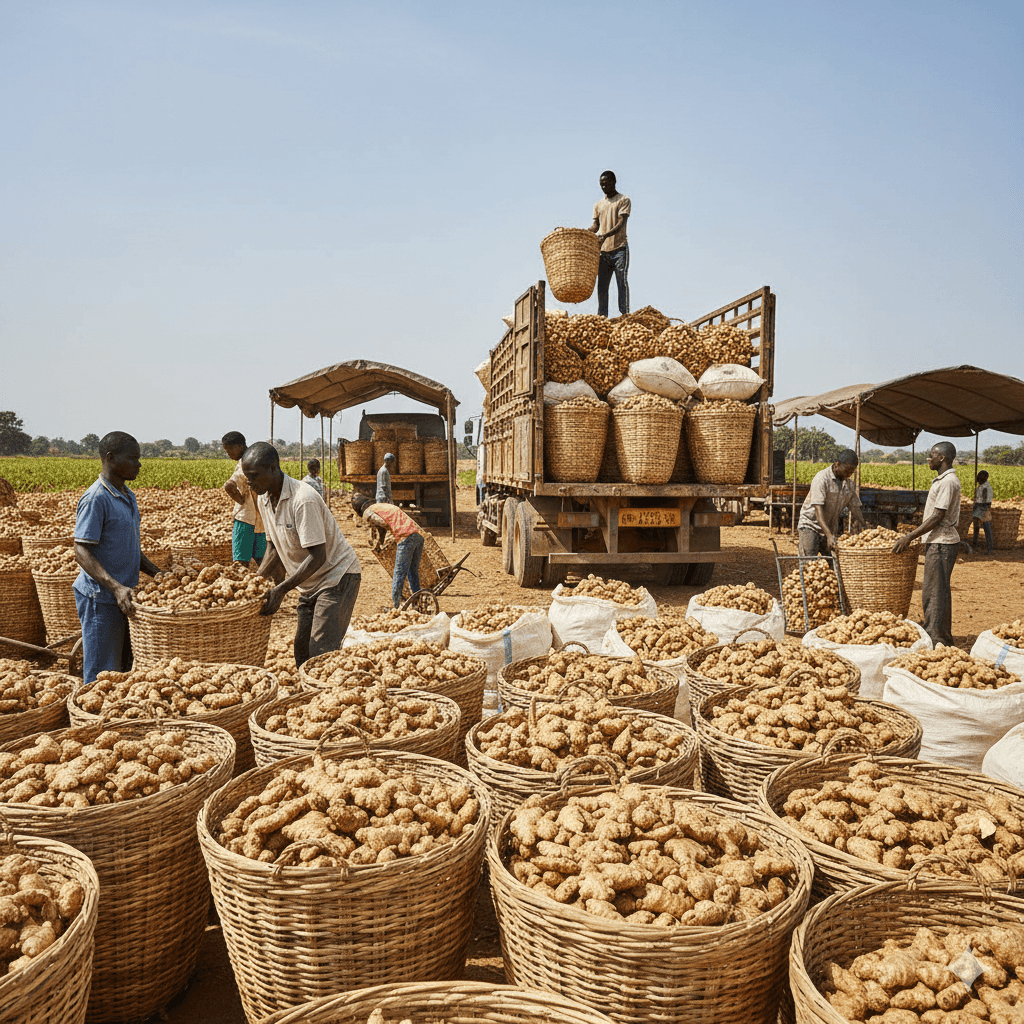
Fresh ginger rhizomes being harvested in Kaduna farmland
Why Nigerian Ginger Commands Attention
Nigeria ranks among the top 5 global ginger producers, harvesting roughly 700,000+ metric tons annually. Most of this comes from Nigeria's "ginger belt" stretching across Kaduna, Katsina, Plateau, Gombe, and Bauchi states in the north.
What makes Nigerian ginger special? The oleoresin content, primarily. This is the compound that gives ginger its pungency and medicinal properties. Nigerian ginger consistently delivers higher oleoresin levels than many competing origins, making it particularly valuable for:
- Essential oil extraction and oleoresin production
- Pharmaceutical applications requiring high active compound concentration
- Spice blending where pungency and flavor intensity matter
- Beverage manufacturing (ginger beer, ginger ale, wellness drinks)
- Food processing where consistent, strong ginger flavor is needed
The soil composition in Kaduna and Katsina (clay-loam with good drainage) creates ideal growing conditions. Harvest typically runs May through October, with the main crop peaking July-September. Post-harvest processing has improved dramatically over the past decade as Nigerian exporters invested in modern drying facilities, fumigation capacity, and quality control systems.
Where can I buy bulk ginger directly from Nigerian suppliers?
Let's get practical. You've got three main approaches to buying Nigerian ginger in bulk:
Direct from exporters: Companies like Renamy Global, GACON Ltd, and Teras Commodities specialize in ginger exports. They handle everything from farm aggregation through processing, quality control, certification, and export logistics. This is your cleanest path if you want turnkey solutions.
Through agricultural commodity exchanges: Platforms like AFEX (Agricultural Futures Exchange of Nigeria) connect buyers with verified suppliers and provide quality assurance, warehousing, and logistics coordination. Think of it as the institutional approach.
Via sourcing platforms: Kuraway maintains vetted databases of Nigerian ginger suppliers with verified export capacity, certifications, and track records. Instead of hunting down suppliers individually or hoping Google results are current, you're accessing pre-screened options. You can even request quotes from multiple suppliers simultaneously to compare pricing and terms.
The direct exporter route works best for established buyers ordering containers regularly. Commodity exchanges suit institutional buyers wanting additional oversight. Sourcing platforms like Kuraway make sense for first-time buyers, smaller volumes, or anyone who values having supplier vetting and logistics support handled professionally.
Understanding Quality Standards and Processing
How is Nigerian ginger processed (dried, split, polished) for export?
Nigerian ginger goes through several processing stages before it reaches export quality:
Harvesting and Cleaning: Fresh ginger rhizomes are dug up (carefully, to minimize damage), washed to remove soil and debris, and sorted by size. Damaged or diseased rhizomes get removed.
Drying: This is critical. Export-quality dried ginger must achieve moisture content below 10-12%. Nigerian processors use various drying methods:
- Sun drying: Traditional approach, takes 7-10 days depending on weather. Lower cost but more variable results.
- Solar dryers: Controlled solar drying with better temperature/airflow management. More consistent than open-sun drying.
- Mechanical dryers: Modern facilities use hot-air dryers that deliver consistent results regardless of weather. Faster (3-5 days) and more reliable quality.
Splitting: Many export orders specify "split ginger" (rhizomes cut lengthwise). This increases drying efficiency, makes quality inspection easier, and is standard for many markets. "Unsplit" or "whole" ginger is also available but typically costs slightly more due to careful handling requirements.
Polishing: Premium grades get polished to remove outer skin and create the "white ginger" appearance some markets prefer. This is labor-intensive and adds cost, but commands premium pricing in certain markets (particularly Middle East and parts of Europe).
Fumigation: Most export destinations require fumigation to eliminate pests. Methyl bromide treatment is common, though some organic buyers require phosphine or heat treatment alternatives. NAQS (Nigerian Agricultural Quarantine Service) approves and supervises fumigation.
Grading and Packaging: Final product gets graded by size, appearance, and quality. Standard export packaging is 50kg polypropylene bags, though custom packaging is available for specialty orders.
How to ensure Nigerian ginger meets EU/US import standards (pesticides, aflatoxin)?
This is the question that keeps importers up at night, so let's address it directly.
Pesticide residues: Reputable Nigerian exporters test for pesticide residues before shipment. Maximum Residue Levels (MRLs) for the EU are strict, and your supplier should provide lab certificates showing compliance. Ask for SGS, Intertek, or other internationally recognized lab testing.
Aflatoxin: Ginger can develop aflatoxin contamination if improperly dried or stored. The EU limit is 5 μg/kg for aflatoxin B1. Quality suppliers maintain proper drying protocols (achieving <10% moisture quickly), use clean storage facilities, and test batches pre-shipment. Request aflatoxin test certificates as part of your purchase documentation.
Heavy metals: Lead, cadmium, and other heavy metal contamination can occur depending on soil conditions. EU regulations set maximum levels. Again, pre-shipment testing by recognized labs should confirm compliance.
Microbiological standards: Total plate count, E. coli, Salmonella testing ensures food safety. HACCP-certified processors maintain hygiene standards that minimize contamination risk.
Your protection? Work with suppliers who:
- Hold HACCP certification for their processing facilities
- Provide batch-specific lab test certificates for pesticides, aflatoxin, and microbiology
- Use internationally recognized testing labs (SGS, Intertek, Bureau Veritas)
- Have successful track records exporting to EU/US markets (they know the standards)
Platforms like Kuraway specifically vet suppliers on these quality and certification criteria, so you're not just trusting supplier claims, you're working with operations that have proven compliance with international standards.
Pricing, MOQs, and Payment Terms
What are current wholesale prices for dried Nigerian ginger (FOB Lagos)?
As of early 2026, FOB Lagos pricing for export-quality dried Nigerian ginger runs roughly:
- Standard dried split ginger (10-12% moisture): $1,200-$1,500 per metric ton
- Premium polished white ginger (<10% moisture, fumigated): $1,600-$2,000 per MT
- Organic certified dried ginger: $1,800-$2,200 per MT
- Fresh ginger (in-season, chilled export): $800-$1,000 per MT
- Ginger powder (ground, aflatoxin-tested): $2,000-$2,500 per MT
These prices fluctuate based on harvest timing (cheapest immediately post-harvest in August-October), quality specifications, order volume, and international market dynamics. The 2025-2026 season saw relatively stable pricing after several years of volatility.
Always request current quotes rather than relying on historical pricing. Market conditions change, and Nigerian naira exchange rate fluctuations impact dollar-denominated pricing.
What is the minimum order quantity for bulk ginger exports from Nigeria?
This varies by supplier and product type:
Container loads are the standard for ocean freight. A 20-foot container holds approximately 18-20 metric tons of bagged ginger. Most exporters prefer full container orders because logistics are simpler and costs per ton are lower.
Smaller quantities (5-15 MT) are possible but expect higher per-ton costs due to consolidation, warehousing, and logistics complexity. Some suppliers won't handle orders below 10 MT because the administrative overhead doesn't justify the revenue.
Sample orders of 100-500 kg are typically available for quality testing before committing to full containers. Smart buyers always test samples in their own facilities or independent labs before placing large orders.
LCL (Less than Container Load) shipping is an option for smaller quantities, though it's slower and more expensive per ton than full containers.
If you're just starting out, I'd recommend ordering 1-2 metric tons as samples, testing thoroughly, then committing to a 20-foot container once you've verified quality meets your requirements.
What payment terms are common for first-time bulk ginger buyers?
Nigerian ginger exporters typically work on these payment structures for new customers:
Letter of Credit (LC): Most common for first-time transactions, especially larger values. Your bank guarantees payment upon delivery of proper documentation. Costs 1-3% of transaction value but provides security for both parties.
50% Advance, 50% on Shipment: Some suppliers request partial advance payment to cover procurement and processing costs, with balance paid when goods ship or upon proof of shipment documents. This requires more trust but is common with established relationships.
30% Advance, 70% Against Documents: Similar structure but with lower initial advance. The 70% balance releases upon presentation of shipping documents (bill of lading, certificates, etc.).
Payment on Delivery: Rare for first-time buyers unless you're working through a trusted intermediary or platform that provides payment protection.
For your first orders, expect to work with LC or significant advance payments. As you build history and trust with suppliers, more flexible terms become negotiable. Platforms like Kuraway can facilitate payment arrangements and provide intermediary services that protect both buyers and sellers, which is particularly valuable when establishing new supplier relationships.

[Dried split ginger being sorted and packaged in 50kg bags at processing facility]
Regional Sourcing: Where the Best Ginger Comes From
Which Nigerian states supply the best quality ginger for bulk purchase?
Not all Nigerian ginger is created equal. Regional differences in soil, climate, and farming practices create quality variations you should understand:
Kaduna State: The heavyweight champion. Kaduna produces the largest volumes of export-quality ginger. The region's clay-loam soils and rainfall patterns create ideal growing conditions. Infrastructure is relatively good, with decent road access to Lagos port. Major exporters are concentrated here, and you'll find the most developed processing facilities. If someone says "Nigerian ginger," they're probably thinking of Kaduna ginger.
Katsina State: Similar growing conditions to Kaduna, excellent quality ginger with high oleoresin content. Slightly less developed export infrastructure than Kaduna, but quality matches or exceeds Kaduna in many cases. Pricing can be marginally better because there's less export competition.
Plateau State: Known for quality ginger with particularly clean appearance. The plateau's cooler temperatures and volcanic soils produce rhizomes with smooth skin and excellent keeping quality. Good option if visual appearance matters for your market.
Gombe State: Emerging production area with increasing volumes. Quality is good, pricing competitive, but logistics can be more challenging than Kaduna/Katsina. Worth exploring for buyers willing to work with developing supply chains.
Bauchi State: Similar to Gombe, growing production with competitive pricing. Infrastructure improvements over the past few years have made this region more accessible to exporters.
For first-time buyers, I'd recommend starting with Kaduna or Katsina suppliers. The combination of established quality, developed processing infrastructure, and reliable logistics makes these regions the lowest-risk entry points.
Certifications and Documentation You'll Need
What certifications are required (NAQS, phytosanitary, HACCP) for bulk ginger?
Let's break down the essential certifications and documentation for importing Nigerian ginger:
From Nigeria (Export Requirements):
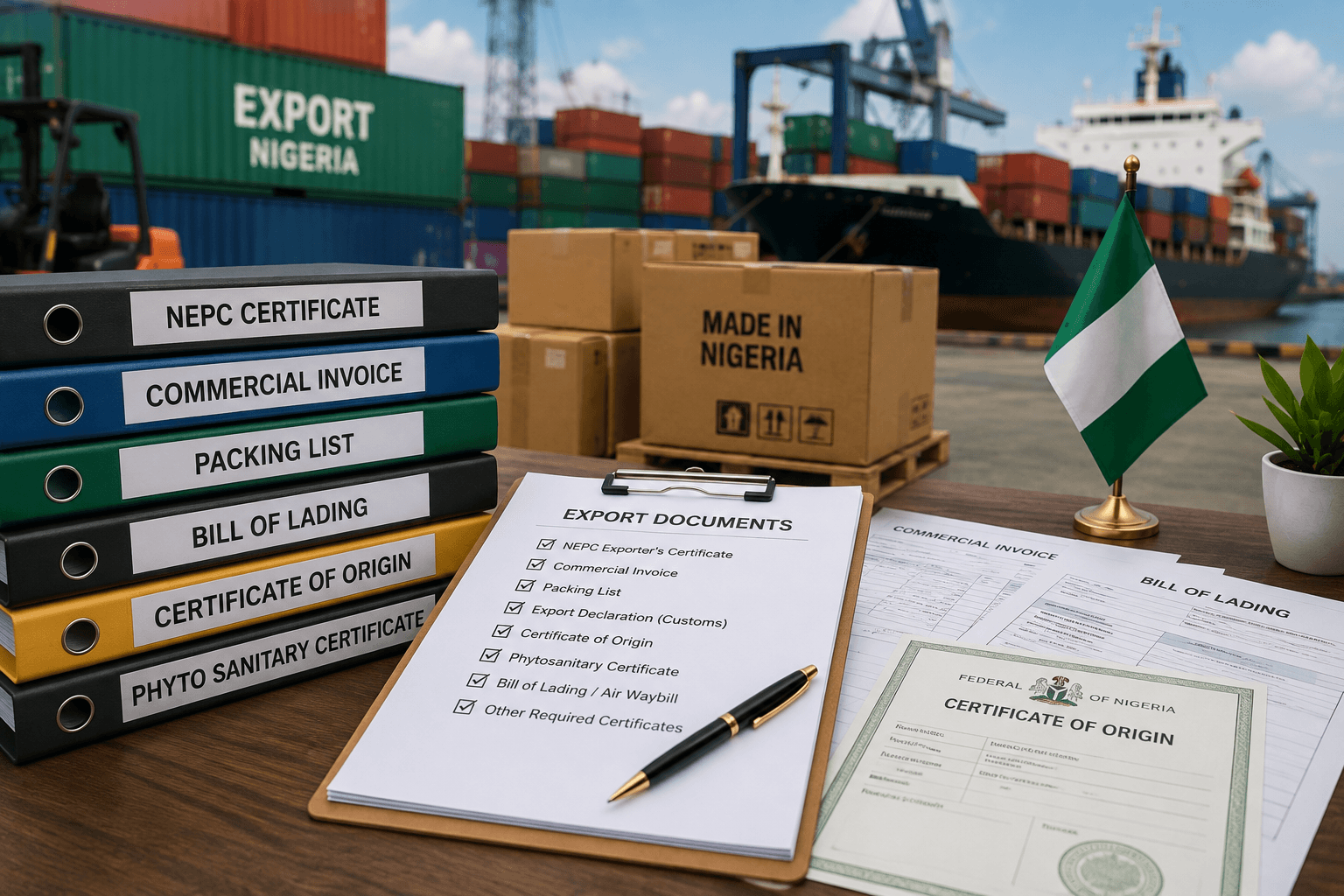
NAQS (Nigerian Agricultural Quarantine Service) Certificate: Confirms the ginger has been inspected, fumigated if required, and is free from quarantine pests. This is mandatory for virtually all agricultural exports from Nigeria.
Phytosanitary Certificate: International standard certification that the product meets plant health requirements. Required by most importing countries.
Certificate of Origin: Proves the ginger genuinely originates from Nigeria. Important for customs clearance and potentially for tariff treatment.
Fumigation Certificate: If fumigation is required (and it usually is), you'll need documentation showing the type of fumigant used, concentration, duration, and date.
Quality/Analysis Certificate: Lab test results showing moisture content, pesticide residues, aflatoxin levels, and other relevant parameters. Should come from recognized international labs.
NEPC (Nigerian Export Promotion Council) Documentation: Exporters must be registered with NEPC and obtain export permits. This ensures they're legitimate operations meeting Nigeria's export standards.
Optional but Valuable:
HACCP Certification: Shows the processing facility follows Hazard Analysis and Critical Control Points food safety protocols. Not mandatory but strongly preferred by serious buyers.
Organic Certification: If you're buying organic ginger, ensure suppliers have legitimate organic certification from recognized bodies (EU Organic, USDA Organic, etc.). Nigeria has some certified organic ginger production, but it's limited.
ISO Certifications: ISO 9001 (quality management) or ISO 22000 (food safety) indicate sophisticated operations with systematic quality controls.
Fair Trade or Sustainability Certifications: Less common for Nigerian ginger but emerging as some cooperatives pursue these credentials.
For Importing (Your Country's Requirements):
EU: Particularly strict on pesticide MRLs, aflatoxin limits, and traceability. You may need to register as a food business operator and notify authorities of incoming shipments.
US: FDA registration, compliance with FSMA (Food Safety Modernization Act), and specific testing requirements. Less strict than EU on some parameters, stricter on others.
Asia: Requirements vary widely by country. Japan and Singapore have stringent standards; others are more flexible.
Working with experienced exporters who've shipped to your destination market before means they already know the specific documentation requirements and can ensure compliance. This is one reason platforms like Kuraway vet suppliers based partly on export experience to specific regions.
Logistics and Shipping Realities
How long does shipping take from Lagos port for 20ft ginger container?
Shipping times from Lagos (Apapa or Tin Can ports) vary by destination:
To Europe: 3-4 weeks ocean freight to major ports (Rotterdam, Hamburg, Antwerp). Add 1-2 weeks for customs clearance and inland transport.
To US East Coast: 4-5 weeks to New York, Baltimore, or Savannah. West Coast routes transit through Suez Canal or around Africa, adding 2-3 weeks (6-8 weeks total).
To Asia: 5-6 weeks to Singapore or Hong Kong. India is closer (4-5 weeks). China varies by port but typically 5-6 weeks.
These are ocean freight times. Add processing time before shipment (drying, fumigation, documentation), port handling, and final destination customs/delivery. From order placement to product in your warehouse, expect 8-12 weeks for first orders as you work through all the steps.
Air freight is available for urgent smaller quantities but costs 5-10x more than ocean freight. It only makes sense for samples or emergency restocking, not routine bulk orders.
What packaging is standard for bulk ginger (50kg PP bags)?
Standard export packaging for dried Nigerian ginger is 50kg polypropylene (PP) woven bags, often with internal polyethylene liners to protect against moisture during shipping. A 20-foot container holds approximately 360-400 bags (18-20 MT total).
Custom packaging is available if you need:
- Smaller bag sizes (25kg, 10kg, 5kg)
- Different materials (jute bags, paper bags for organic products)
- Vacuum-sealed bags for premium products
- Private labeling for retail-ready packaging
Custom packaging increases costs and typically requires larger order volumes to justify setup. For bulk commodity purchases, stick with standard 50kg PP bags and repackage at destination if needed.
Quality Control: Protecting Your Investment
Can I buy organic or fumigated ginger in bulk from Nigeria?
Yes to both, but understand what you're getting:
Fumigated ginger is standard for export. Most countries require fumigation to eliminate pest risks. Methyl bromide is the most common fumigant, though some organic buyers require alternatives like phosphine gas or heat treatment. Fumigation happens after drying, and suppliers should provide fumigation certificates showing treatment details.
Organic ginger is available but limited. Some Nigerian cooperatives and farms have achieved organic certification, producing ginger without synthetic pesticides or fertilizers. Expect to pay premium pricing ($1,800-$2,200/MT vs. $1,200-$1,500/MT for conventional). Verify organic certifications are legitimate (EU Organic, USDA Organic, or equivalent recognized standards). Organic ginger typically uses phosphine fumigation or heat treatment rather than methyl bromide.
The challenge with organic Nigerian ginger is volume availability. Most production is conventional. If organic sourcing is critical for your business, identify certified suppliers early, potentially commit to seasonal purchase agreements, and build relationships that ensure allocation when harvest comes.
For quality control beyond certifications, consider:
Pre-shipment inspection by third-party companies (SGS, Intertek, Bureau Veritas). They'll inspect the product before it ships, verify it matches specifications, and provide independent quality reports. Costs a few hundred dollars but prevents expensive surprises.
Sample testing in your own facilities or independent labs before committing to full containers. Test for moisture content, contamination, pesticide residues, aflatoxin, and whatever else matters for your application.
Supplier audits if you're planning ongoing relationships. Visit facilities (or hire auditors to visit), verify processing standards, inspect storage conditions, and assess overall operation quality.
Top Nigerian Ginger Suppliers and Products
Let me highlight specific Nigerian ginger products and supplier types worth knowing:
Dried Split Ginger (Export Grade): This is your standard workhorse product. Rhizomes cut lengthwise, dried to <10% moisture, fumigated, and packed in 50kg bags. Kaduna and Katsina suppliers specialize in this. FOB Lagos prices around $1,200-$1,500/MT. Minimum orders typically 20MT (one container). Perfect for spice grinding, oleoresin extraction, or food manufacturing.
Polished White Ginger: Premium grade with outer skin removed, creating smooth white appearance. More labor-intensive processing justifies higher pricing ($1,600-$2,000/MT). Middle Eastern and some European buyers prefer this for visual appeal. Available from larger processors with mechanical peeling capacity.
Air-Dried Whole Ginger: Unsplit rhizomes carefully dried to preserve appearance. Takes longer to dry (10-15 days vs. 7-10 for split), requires gentle handling. Premium pricing but commands it in markets where whole rhizome presentation matters. Best for buyers targeting retail or specialty markets.
Organic Certified Ginger: Limited availability from NEPC-registered cooperatives and certified farms. Prices $1,800-$2,200/MT. Requires advance commitment and potentially seasonal purchase agreements. Worth pursuing if your market demands organic certification and will pay premium pricing.
Fresh Ginger (Chilled Export): Available during harvest season (May-October). Shipped in refrigerated containers to maintain freshness. FOB prices around $800-$1,000/MT. Much shorter shelf life than dried ginger but works for specific applications (fresh juice production, restaurants, some retail markets). Logistics are more complex due to cold chain requirements.
Ginger Powder: Ground dried ginger, typically particle size 40-80 mesh. Tested for aflatoxin and pesticides. FOB prices $2,000-$2,500/MT. Higher value-added product but smaller market. Good for food manufacturers, spice blenders, or retail packaging operations.
Ginger Essential Oil and Oleoresin: Extracted products from Nigerian ginger. Essential oil runs 1-3% yield, oleoresin 4-8% depending on source quality. Highly concentrated, valuable products. Small specialist producers handle extraction. Pricing varies widely based on purity and specifications.

Nigerian ginger product types comparison
Making Your First Purchase: Practical Steps
Ready to actually buy Nigerian ginger? Here's your step-by-step process:
Step 1: Define Your Requirements
Specify exactly what you need: product type (dried split, polished, organic, etc.), quality parameters (moisture %, size, appearance), quantity (start with samples, then containers), certifications required, delivery timeline, and budget.
Step 2: Identify Potential Suppliers
Use platforms like Kuraway to browse vetted suppliers, or contact specific exporters directly. Request company profiles, certifications, and references. Verify they've successfully exported to your region before.
Step 3: Request Quotes and Samples
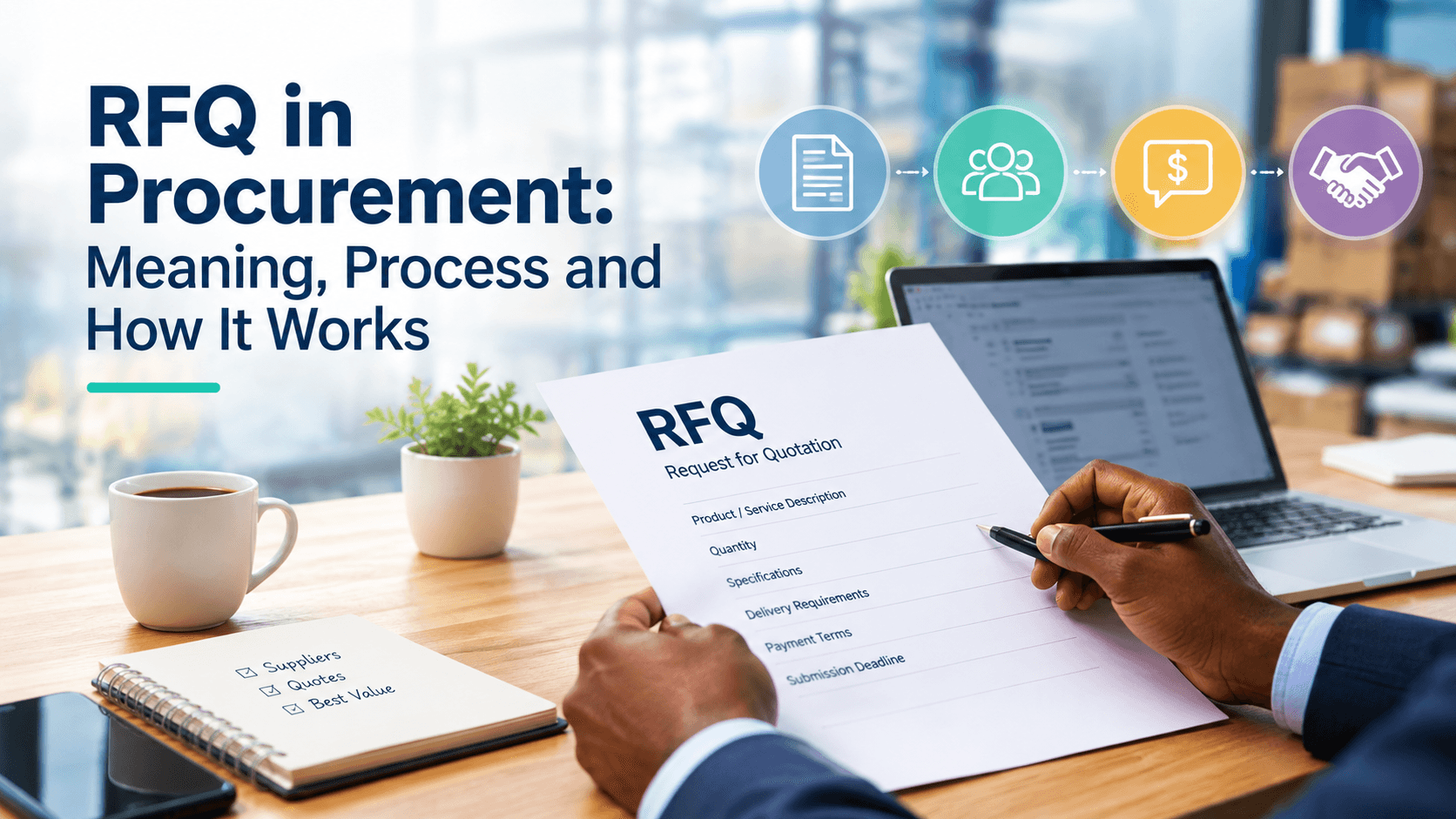
Request quotes from 3-5 suppliers. Compare pricing, MOQs, payment terms, and lead times. Order samples (1-2 MT initially) to test quality.
Step 4: Test Samples Thoroughly
Test in your own facilities or send to independent labs. Verify moisture content, check for contamination, test pesticide/aflatoxin levels, assess appearance and aroma, confirm oleoresin content if that matters for your application.
Step 5: Negotiate Terms
Once you've identified a supplier whose samples meet requirements, negotiate pricing for full container orders, agree on payment terms (LC, advance payment, etc.), confirm specifications in writing, establish quality control procedures (testing, inspection), and set delivery schedules.
Step 6: Arrange Documentation and Logistics
Ensure supplier will provide all necessary certificates (NAQS, phytosanitary, quality certificates, fumigation docs). Arrange freight forwarding and shipping insurance. Coordinate customs clearance in your destination country. Consider pre-shipment inspection for peace of mind.
Step 7: Monitor and Build Relationships
Track shipment progress, inspect product upon arrival and verify it matches samples and specifications. Provide feedback to supplier (good or bad). If quality meets expectations, establish ongoing relationship with regular orders.
Step 8: Scale Gradually
Start with one container. Once you've successfully completed that transaction, increase volumes or explore additional suppliers for supply chain resilience. Build relationships but maintain quality standards.
Common Pitfalls and How to Avoid Them
Let me save you some expensive mistakes:
Pitfall: Skipping sample testing. Some buyers order full containers based on supplier claims or photos. Don't. Always test samples first. The $200-500 spent on samples and testing saves you from $20,000+ of unusable product.
Pitfall: Choosing suppliers based solely on lowest price. The cheapest quote often signals quality compromises, inadequate processing, or unreliable suppliers. Focus on total landed cost and quality, not just FOB price.
Pitfall: Ignoring certification requirements. Finding out your ginger can't clear customs because it lacks proper phytosanitary certificates or fails aflatoxin testing is an expensive disaster. Verify all certification requirements upfront.
Pitfall: Poor payment term negotiation. Paying 100% advance to unknown suppliers is risky. Insist on LC or partial payment structures that protect both parties until trust is established.
Pitfall: Inadequate logistics planning. Not arranging freight forwarding, customs brokers, and delivery logistics before product ships creates delays and added costs. Plan the entire logistics chain before committing to orders.
Pitfall: No quality specifications in contracts. "Dried ginger" isn't specific enough. Define moisture %, contamination limits, size ranges, and other parameters in your purchase contract so there's no ambiguity.
Working through platforms like Kuraway helps avoid many of these pitfalls because supplier vetting, quality verification, and logistics support are built into the service.
The Opportunity in Nigerian Ginger
Here's my honest take: Nigerian ginger offers genuine value for buyers willing to do the due diligence. The quality's excellent, the pricing's competitive, and the supply's reliable if you work with established exporters.
You're not going to find the plug-and-play simplicity of ordering from massive trading companies who've been doing this for decades. But you will find better margins, direct relationships with suppliers, and access to premium-quality ginger that commands strong pricing in your markets.
The infrastructure's there. The quality's proven. The export procedures are established. What's needed is buyers willing to invest time in finding good suppliers, testing thoroughly, and building relationships that reward both parties.
Start small. Test samples. Verify quality meets your standards. Then scale up with confidence knowing you've found reliable Nigerian ginger sources that deliver value your competitors probably haven't accessed yet.
Ready to source premium Nigerian ginger?
Connect with vetted Nigerian ginger exporters at Kuraway.com. Browse certified suppliers, compare quality grades and pricing, and request quotes from multiple exporters. Get quality assurance, documentation support, and logistics coordination throughout your first Nigerian ginger purchases.