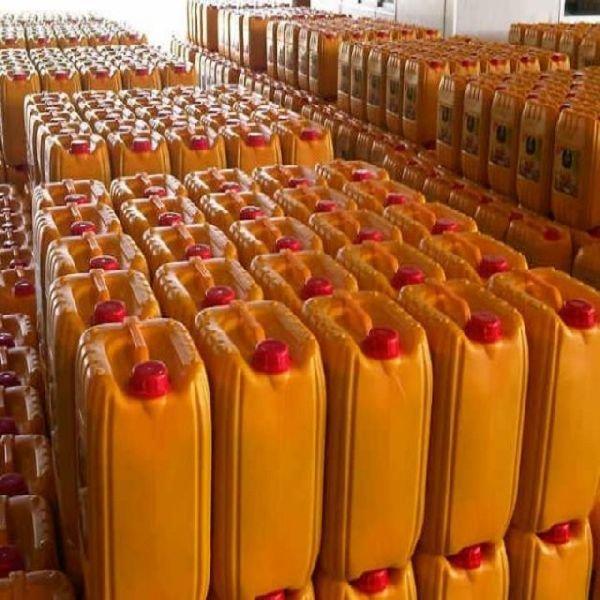
Nigeria is one of Africa's major palm oil-producing countries, with a large network of smallholder farmers, processors, aggregators, wholesalers, and industrial buyers participating in the value chain.
Yet for many businesses, finding reliable palm oil buyers, identifying trustworthy suppliers, understanding export requirements, and completing cross-border transactions remains difficult.
Whether you're a palm oil producer looking for palm oil buyers in Nigeria, a trader searching for suppliers, or a business planning to export palm oil from Nigeria to other countries, this guide explains how the market works, where to find trading partners, and what to consider before buying or selling.
Who Buys Palm Oil in Nigeria?
Palm oil is purchased by businesses across several industries, including:
- Food manufacturers
- Cooking oil companies
- Soap and detergent manufacturers
- Cosmetics and personal care companies
- Animal feed producers
- Industrial processors
- Commodity traders and wholesalers
- Exporters
- International buyers sourcing Nigerian palm oil
The size and specifications of the order will vary depending on the buyer. Some buyers may need small quantities for local distribution, while manufacturers and international traders may require bulk shipments with specific quality specifications.
If you're selling palm oil, understanding your target buyer is important. Instead of simply looking for "any buyer," identify businesses that regularly purchase your product and understand their required volume, quality, packaging, delivery location, and payment terms.
Where Can I Sell Palm Oil in Lagos?
If you're looking to sell palm oil in Lagos, you have several options.
You can sell directly to:
- To Buyers on Kuraway
- Food manufacturers
- Cooking oil distributors
- Soap and detergent manufacturers
- Commodity traders
- Wholesalers
- Restaurants and food businesses
- Exporters
- Other businesses that purchase palm oil in bulk
Traditional commodity markets and business networks can help you find buyers, but they often require significant time and personal connections to identify serious customers.
Online B2B platforms like Kuraway provide another option. On Kuraway, businesses can discover suppliers and buyers, communicate directly, request or respond to quotes, and manage trade transactions.
The best option depends on your product volume, target customer, and whether you're selling for local consumption or export.
How to Find Palm Oil Buyers in Nigeria
Palm oil buyers in Nigeria include food manufacturers, cooking oil companies, soap and detergent manufacturers, cosmetics businesses, commodity traders, wholesalers, exporters, and other businesses that purchase palm oil in bulk.
The right buyer depends on your product quality, available quantity, packaging, location, and minimum order size. Before approaching a buyer, make sure you can clearly explain what type of palm oil you supply, how much you can provide, and the terms on which you can sell.
Here are some ways to find buyers:
1. Use B2B marketplaces
Digital B2B marketplaces like Kuraway makes it easier to discover businesses actively looking to buy or sell products.
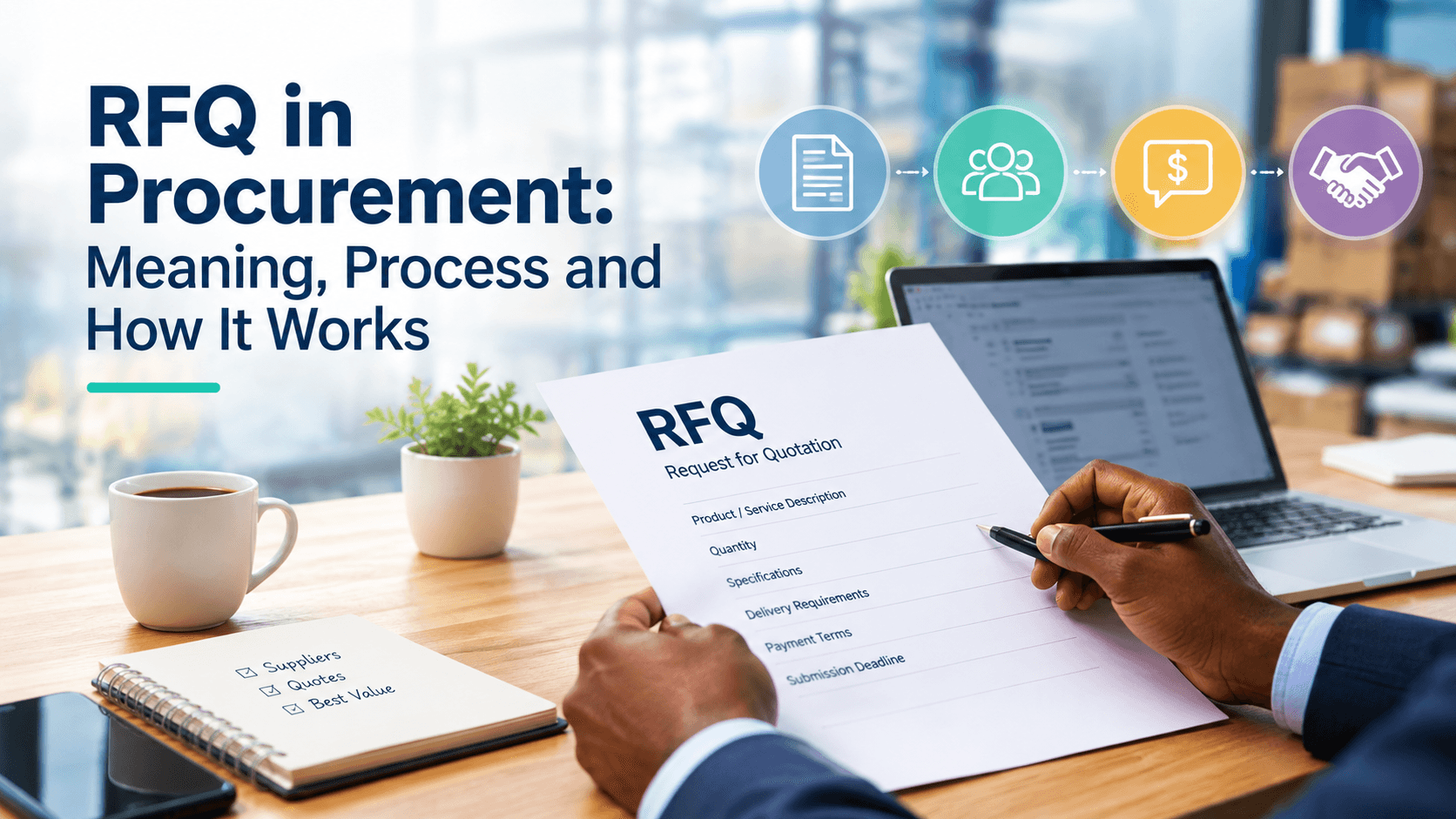
On Kuraway, buyers can post requests for quotation (RFQs), allowing you as a supplier to discover opportunities that match their products and respond directly to them.
2. Search for businesses that use palm oil
Look for manufacturers and businesses that use palm oil as an input. Food manufacturers, soap producers, cosmetics companies, and industrial processors can all represent potential customers.
3. Work with commodity traders and wholesalers
Traders and wholesalers often purchase palm oil in larger quantities and distribute it to other businesses or markets.
4. Attend trade events and build industry relationships
Trade fairs, industry associations, and business networks can help you connect with potential buyers.
5. Verify buyers before doing business
Finding a buyer is only the first step. Before agreeing to a transaction, businesses should verify the buyer's identity, understand their requirements, confirm payment terms, and agree on delivery conditions.
How to Export Palm Oil from Nigeria
Exporting palm oil from Nigeria to other countries involves more than finding an international buyer. Exporters need to prepare their business, confirm the destination market, meet applicable product and regulatory requirements, prepare the necessary documentation, arrange logistics, and complete customs procedures before the shipment leaves Nigeria.
A typical export process involves:
1. Registering your business
You need a properly registered business capable of conducting export activities.
2. Registering as an exporter
Exporters generally need to complete the relevant registration and regulatory requirements before exporting commercial goods.
3. Finding an international buyer
Identify a buyer whose requirements match your product, including volume, quality, packaging, and destination.
4. Agreeing on the terms of trade
The buyer and seller should agree on the product specifications, price, quantity, payment terms, delivery terms, and responsibilities for shipping and insurance.
5. Preparing the required documentation
Prepare the documents required for the specific transaction and destination country.
6. Arranging logistics
Select an appropriate shipping method and coordinate transportation from the supplier or processing facility to the port and ultimately to the buyer.
7. Completing customs and export procedures
Submit the required documentation and complete the applicable customs and regulatory procedures.
8. Shipping the goods
Once the shipment has cleared the necessary procedures, the goods can be transported to the destination market.
The exact process and requirements can vary depending on the type of palm oil, shipment size, destination country, and applicable regulations.
What Are the Requirements for Exporting Palm Oil from Nigeria?
The requirements depend on the product, destination, and nature of the transaction. Exporters should expect to address several areas:
Business and exporter registration
Your business should be properly registered, and you may need to complete the relevant exporter registration procedures.
Product quality
The buyer may specify requirements around:
- Purity
- Moisture content
- Free fatty acid levels
- Packaging
- Quantity
- Processing method
- Other product specifications
Regulatory compliance
Exporters must comply with applicable Nigerian export regulations as well as the import requirements of the destination country.
Documentation
Export transactions require appropriate commercial, customs, shipping, and regulatory documentation.
Logistics
You need a reliable plan for moving the product from the point of origin to the buyer's destination.
Buyer verification
Before committing to a large shipment, it is important to verify the buyer and establish clear payment and delivery terms.
For a step-by-step overview of the Nigerian export process, see our guide on How to Export Goods from Nigeria.
Important: Export requirements can change and may differ by destination. Always confirm current requirements with the relevant Nigerian authorities and the importing country's authorities before shipping.
What Is the Current Price of Palm Oil in Nigeria?
Palm oil prices in Nigeria are not fixed. They fluctuate based on factors such as:
- Location
- Season
- Supply and demand
- Quality
- Processing method
- Quantity purchased
- Packaging
- Transportation costs
- Market conditions
For this reason, there is no single price that applies to every palm oil transaction.
A buyer purchasing directly from a producer may receive a different price from a wholesaler buying processed palm oil in bulk.
If you're buying or selling palm oil, the best approach is to compare current offers based on the same product specifications, quantity, location, and delivery terms.
For businesses sourcing palm oil, Kuraway can help connect buyers with suppliers so they can discuss requirements and request quotes directly.
How to Find Verified Palm Oil Suppliers in Nigeria
Finding a supplier is easy. Finding a reliable supplier is harder.
Before working with a palm oil supplier, consider checking platforms like Kuraway that simplify buyer & supplier discovery by bringing businesses together in one marketplace, allowing buyers to discover suppliers, communicate directly, request quotes, and transact. Next;
- Ask for clear specifications and, where necessary, product samples or laboratory testing.
- Confirm that the supplier can consistently provide the quantity you require.
- Ask about previous customers or transactions where appropriate.
- Understand where the product is sourced and how it will be transported to you.
- Agree on payment terms before the transaction begins. For larger transactions, consider using a secure payment or escrow arrangement.
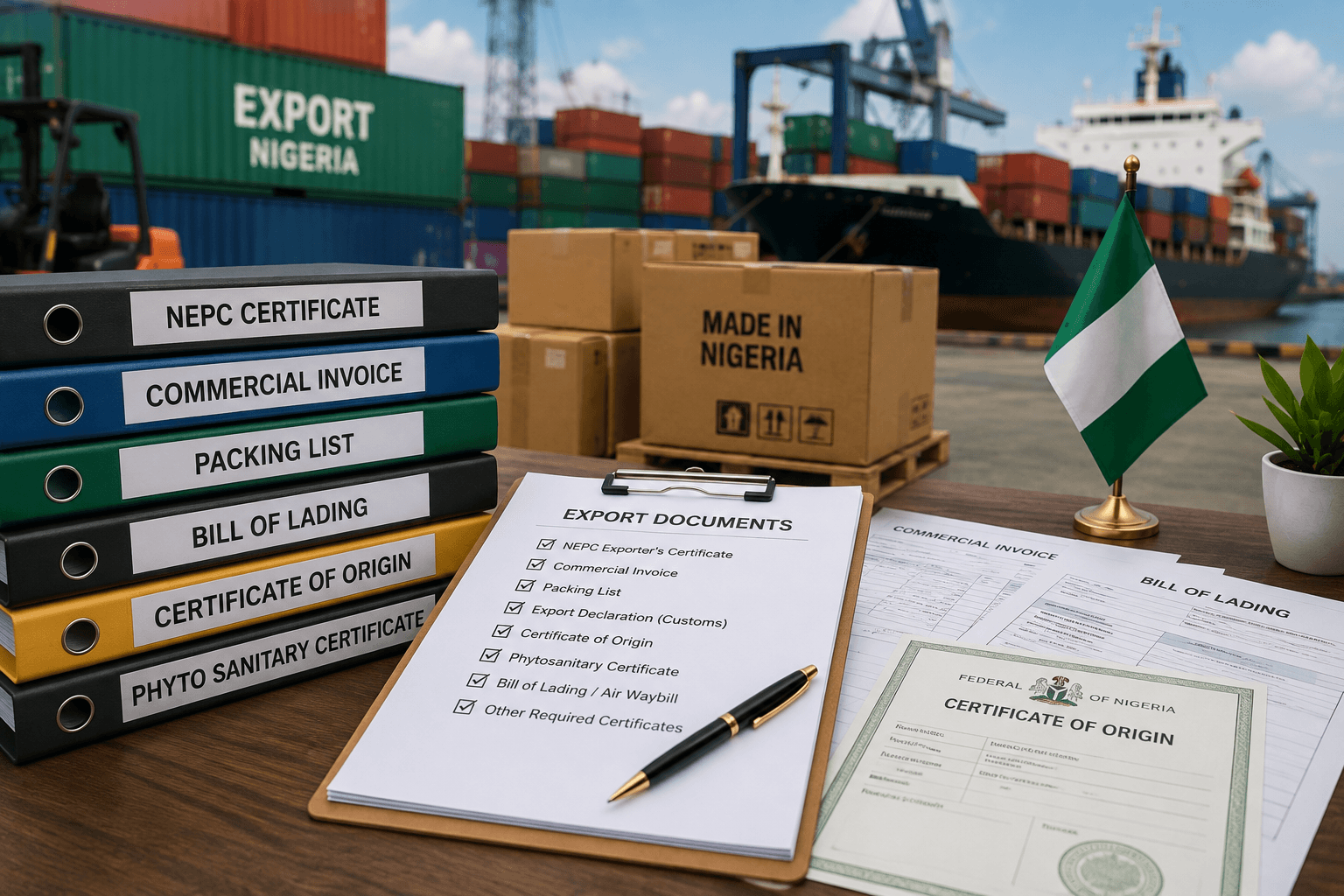
What Documents Do I Need to Export Palm Oil from Nigeria?
The exact documentation depends on the transaction and destination, but an export shipment may require documents such as:
- Commercial invoice
- Packing list
- Certificate of origin
- Bill of lading or other transport document
- Customs documentation
- Export documentation
- Product quality or inspection certificates where required
- Other certificates or permits required by the destination market
The specific requirements can vary depending on the destination country and the type of palm oil being exported.
For a broader explanation of the documents Nigerian exporters may need, see our guide on Documents Required for Export in Nigeria.
Before shipping, exporters should confirm the latest requirements with the relevant Nigerian authorities, their logistics provider, customs professionals, and the buyer's country of import.
How Kuraway Makes Palm Oil Trade Easier
Finding the right trading partner is often one of the biggest challenges in cross-border commerce.
Kuraway brings businesses together on a B2B trade platform where buyers can discover suppliers, communicate directly, request quotes, and negotiate transactions.
For businesses looking to source palm oil, this means a simpler way to discover potential suppliers.
For palm oil businesses looking to expand their market, it creates an opportunity to reach new buyers beyond their existing networks.
The goal is simple: make it easier for African businesses to discover each other, build trust, and trade across borders.
Looking to buy or sell palm oil?
Frequently Asked Questions
Who buys palm oil in Nigeria?
Palm oil is purchased by food manufacturers, cooking oil companies, soap and detergent manufacturers, cosmetics businesses, animal feed producers, commodity traders, wholesalers, exporters, and other industrial users.
Where can I sell palm oil in Lagos?
You can sell palm oil to manufacturers, distributors, wholesalers, commodity traders, exporters, and other businesses that purchase palm oil in bulk. B2B marketplaces such as Kuraway can also help you discover potential buyers.
How do I find palm oil buyers in Nigeria?
You can find palm oil buyers through industry networks, commodity traders, trade events, business associations, referrals, and B2B marketplaces. Focus on buyers whose required volume, quality specifications, and purchasing requirements match your supply.
How to Export Palm Oil from Nigeria?
Exporting palm oil from Nigeria generally involves preparing your business and exporter registration, finding and qualifying a buyer, agreeing on commercial terms, preparing the required documents, meeting applicable product and customs requirements, arranging logistics, and shipping the goods.
For a detailed step-by-step process, see our guide on How to Export Goods from Nigeria.
How to Export Palm Oil from Nigeria to Other Countries?
To export palm oil to another country, you need to consider both Nigerian export requirements and the import requirements of the destination market. This includes checking applicable documentation, product standards, customs procedures, shipping requirements, and any permits or certificates required by the destination country.
The specific requirements can vary depending on where the palm oil is being exported and how it will be shipped.
What are the requirements for exporting palm oil from Nigeria?
Requirements vary depending on the type of palm oil, destination country, and transaction. Exporters may need appropriate business and exporter registration, commercial and customs documentation, product-related certificates or approvals, and compliance with the importing country's requirements.
What is the current price of palm oil in Nigeria?
Palm oil prices fluctuate based on location, season, quality, quantity, supply and demand, and logistics costs. There is no single nationwide price that applies to every transaction. Buyers and sellers should confirm current prices based on the specific grade, quantity, location, and delivery terms.
How do I find verified palm oil suppliers in Nigeria?
You can identify suppliers through industry networks, referrals, trade associations, and B2B marketplaces. Before completing a transaction, verify the supplier's business identity, product quality, supply capacity, certifications where applicable, and payment terms.
What documents do I need to export palm oil from Nigeria?
Depending on the transaction and destination, exporters may need commercial invoices, packing lists, customs and export documentation, transport documents, certificates of origin, and relevant product certificates or permits.
The exact documents depend on the product, destination, and shipping method. See our guide on Documents Required for Export in Nigeria for a detailed breakdown.