How to Export Goods from Nigeria: A Step-by-Step Guide
Exporting goods from Nigeria involves more than finding a product and shipping it overseas. Before your first shipment, you need to prepare your business, choose the right product and target market, find and qualify international buyers, agree on commercial terms, complete the required export documentation, and arrange delivery.
The exact export requirements in Nigeria depend on the product, destination country, and method of transport. Nigeria's official export guidance covers areas such as exporter registration, market research, export planning, documentation, logistics, pricing, finance, and legal requirements.
This guide breaks down how to export goods from Nigeria into practical steps, from preparing your business and choosing export products from Nigeria to finding a buyer, completing the necessary requirements, and arranging shipment.
1. Make Sure Your Business Is Ready to Export
Before looking for international buyers or arranging your first shipment, make sure your business is properly set up for exporting. This includes having the appropriate business registration and tax identification, completing the required exporter registration, and making the necessary banking arrangements for export transactions.
For Nigerian exporters, NEPC registration is a key part of the formal export process. The Nigerian Export Promotion Council requires businesses intending to export from Nigeria to register through its online e-registration platform and obtain an Exporter's Certificate. The documents required depend on the type of business entity.
You should also have your business identity and tax information in order. The Nigeria Trade Information Portal provides guidance on company incorporation, tax identification, and other requirements involved in preparing for exports. It also provides information on export-related banking arrangements.
You don't need to complete every export requirement before researching markets or speaking with potential buyers. However, getting your basic business and exporter requirements in place early makes it easier to respond professionally when a genuine buyer is ready to place an order.
2. Choose the Right Product and Target Market
Choosing what to export from Nigeria is only the first decision. You also need to determine where the product can be sold and whether you can supply it consistently at a competitive price.
Start by researching demand in your target market. Consider factors such as existing competition, product standards, import requirements, shipping costs, and the reliability of your supply. NEPC recommends conducting market research before entering an export market.
You should also confirm that you can meet the buyer's expected quantity, quality, packaging, and delivery requirements. This is especially important for agricultural and other products where supply, quality, or availability can vary.
Researching the product and destination market before committing to an order helps you avoid choosing export products from Nigeria based solely on local availability. The goal is to find a product you can supply reliably and a market where there is a realistic opportunity to sell it.
3. Find International Buyers for Your Products
Once you know what you want to export and where you want to sell it, the next step is finding buyers who are actually looking for your product.
You can find international buyers through B2B marketplaces, trade fairs, industry associations, export promotion networks, professional platforms such as LinkedIn, and targeted direct outreach. The best channel depends on your product, target market, and the type of buyer you want to reach.
B2B marketplaces can be particularly useful for Nigerian exporters because they allow businesses to showcase their products and become visible to buyers searching for suppliers. Platforms such as Kuraway provide a place for African manufacturers, exporters, producers, and distributors to present their products to international buyers.
However, finding a buyer is not the same as finding the right buyer. Before discussing an order, check that the company is legitimate, fits your target market, and can realistically purchase the quantity and specifications you offer.
For a more detailed approach to finding international buyers, see our guide on How to Find International Buyers for Your Export Products.
4. Qualify the Buyer Before Accepting an Order
Finding an interested buyer does not automatically mean you have found a reliable business partner. Before accepting an international order, take time to confirm that the buyer is legitimate and that the transaction makes commercial sense.
Check the buyer's company information, business website, contact details, and purchasing requirements. You should also confirm that the buyer actually deals with your type of product and can realistically purchase the quantity you are able to supply.
Pay attention to warning signs such as vague company information, unusual payment requests, pressure to ship before payment conditions are confirmed, or requests that do not match normal commercial practices.
For larger or recurring orders, proper buyer due diligence can help reduce the risk of fraud, payment disputes, and costly mistakes before you commit your goods to an international shipment.
5. Prepare Your Export Offer
Before negotiating with an international buyer, make sure you can clearly explain what you are selling and what the buyer can expect from you. A well-prepared export offer makes it easier for buyers to assess your business and decide whether to proceed.
Have the following information ready:
- Product details: Specifications, grades, sizes, packaging, and available quantities.
- MOQ: The minimum quantity you can supply per order.
- Pricing: Your wholesale or export price and what it includes.
- Certifications: Relevant quality, safety, or product certifications.
- Production capacity: How much you can supply consistently.
- Lead time: How long production and preparation will take.
- Payment terms: Accepted payment methods and agreed payment conditions.
- Shipping capabilities: Where you can ship and the logistics arrangements you can support.
- Company information: Business details that allow buyers to assess your credibility.
Having these details prepared before approaching buyers helps you respond quickly to genuine enquiries and reduces delays when negotiations begin.
6. Agree on Price, Payment and Delivery Terms
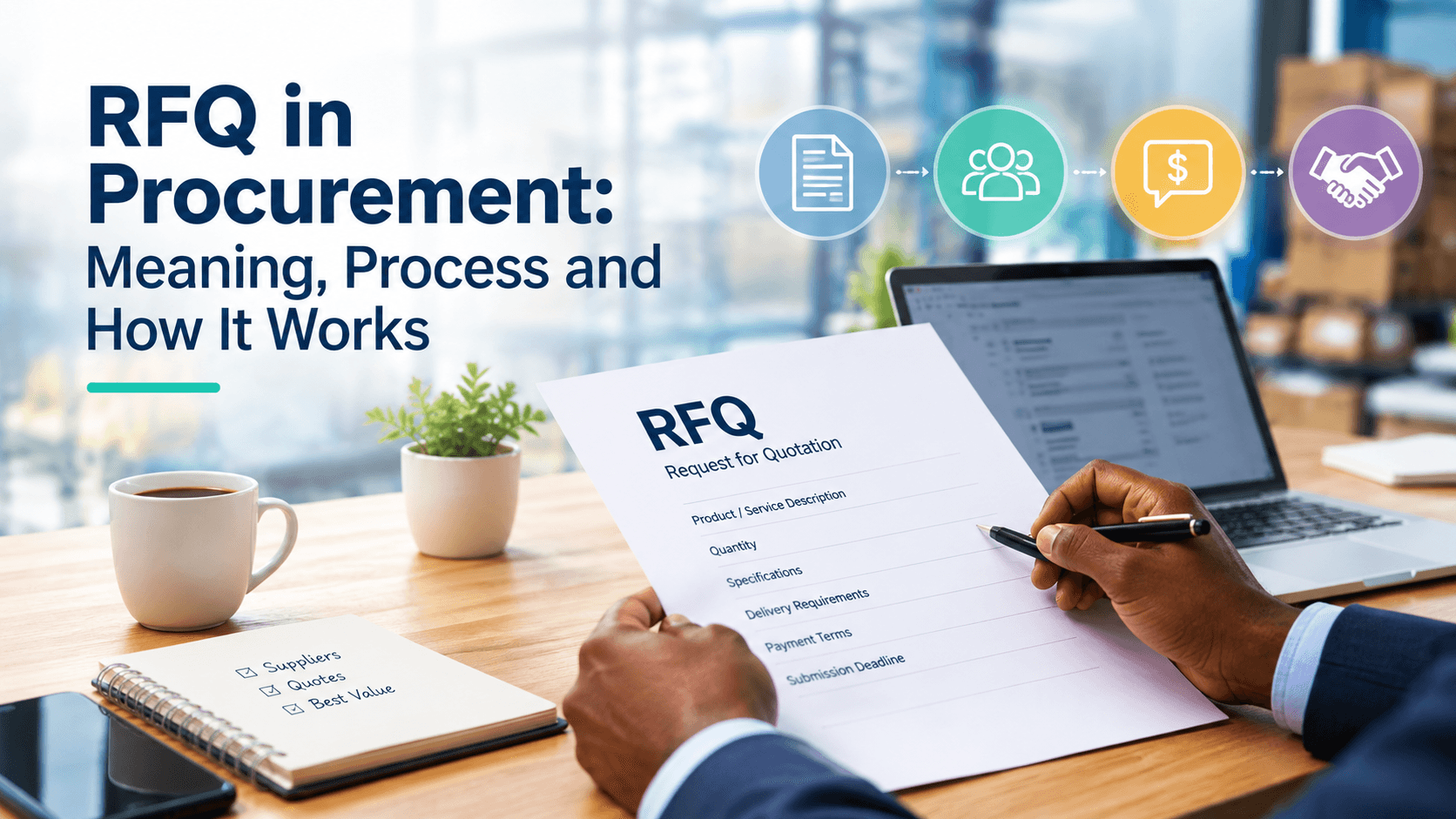
Once you have a suitable buyer, agree on the commercial terms before production or shipment begins. Clear terms ensure both sides understand what is being purchased, how much it will cost, and who is responsible for each part of the transaction.
Confirm the product price, order quantity, payment terms, delivery timeline, and shipping responsibilities. Make sure these details are documented in a quotation, sales agreement, or other written record.
You should also account for costs such as packaging, freight, insurance, handling, and other charges that may affect the final export price. Understanding your total costs before agreeing to a price helps protect your profit margin.
Clear commercial terms reduce misunderstandings and give both the exporter and buyer a reliable reference throughout the export process.
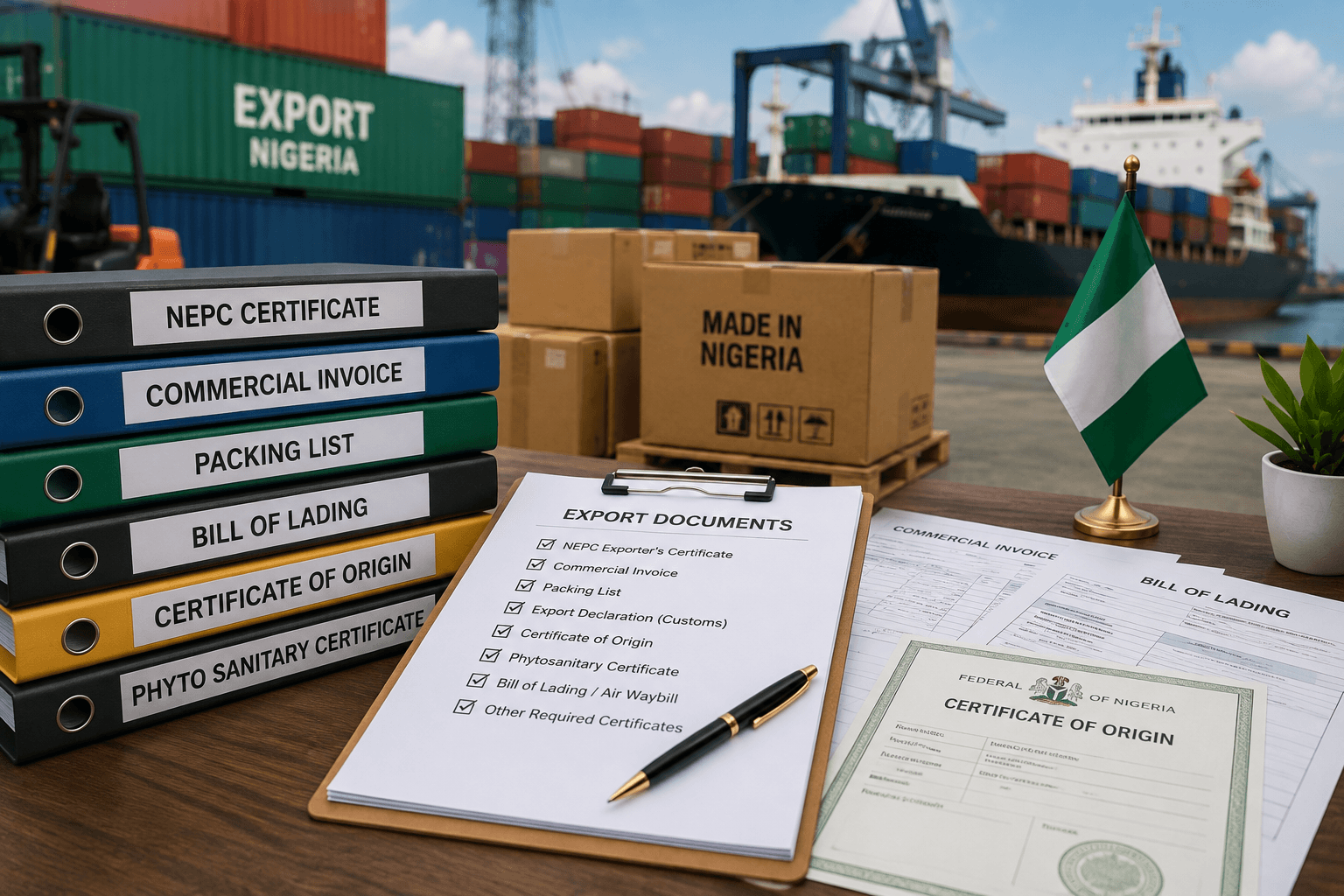
7. Prepare Export Documents and Complete the Required Procedures
Before your goods leave Nigeria, make sure you have the documents and approvals required for the shipment. The exact requirements depend on your product, destination, and type of shipment.
These may include commercial invoices, packing lists, customs documentation, product-specific certificates, shipping documents, and other requirements. The Nigeria Export Proceeds (NXP) Form may also form part of the export process depending on the transaction and current requirements.
For a detailed breakdown of the documents you may need, see our guide to Documents Required for Export in Nigeria.
8. Arrange Shipping and Deliver the Goods
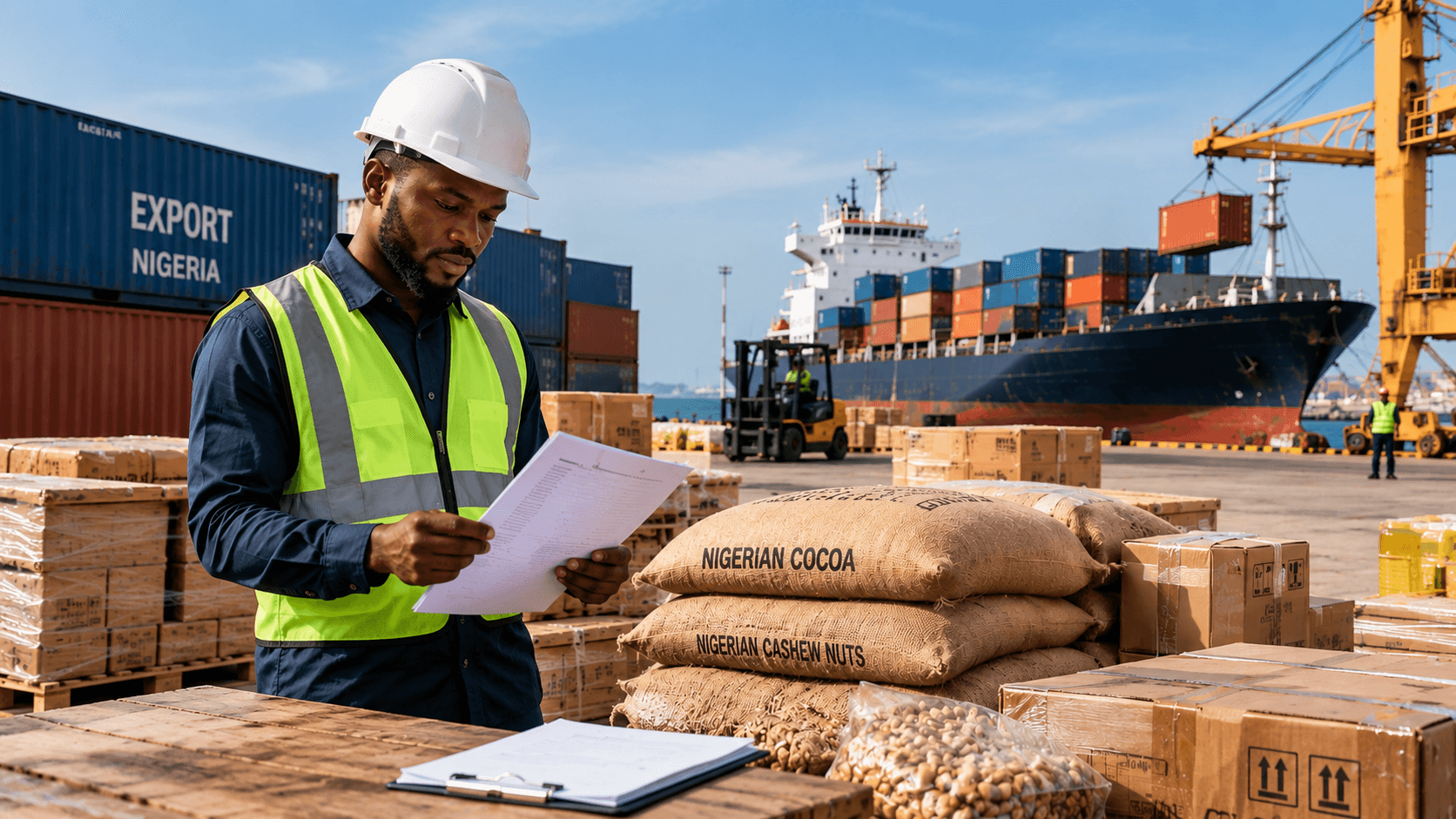
Once your documents are ready, arrange the shipment with a reliable freight forwarder or logistics provider. The best shipping method depends on the product, order size, destination, delivery timeline, and budget.
For larger or less time-sensitive shipments, sea freight is often practical, while air freight may be more suitable for smaller or time-sensitive orders. Your logistics provider can help you determine the appropriate route, shipping method, and handling requirements.
Make sure the goods are properly packaged and labelled for international transport. You should also confirm who is responsible for freight, insurance, customs clearance, and delivery costs based on the agreed terms with the buyer.
As part of the export logistics process in Nigeria, keep copies of your shipping and customs documents and make sure the buyer receives the relevant shipment information. Tracking the shipment and maintaining clear communication can help prevent delays and misunderstandings during delivery.
If you use Kuraway to connect with international buyers, reliable fulfillment and communication after the sale are just as important as finding the buyer in the first place. A smooth delivery can help build trust and create opportunities for repeat orders.
9. Common Mistakes Nigerian Exporters Should Avoid
Even with a good product and a genuine buyer, small mistakes can lead to delays, unexpected costs, or failed transactions. Some common mistakes Nigerian exporters should avoid include:
- Choosing a product without researching demand: A product may be readily available in Nigeria but have limited demand or strict requirements in the target market.
- Approaching buyers before being export-ready: Make sure you can provide accurate product information, pricing, quantities, and delivery timelines before accepting an order.
- Failing to verify buyers: Confirm that potential buyers are legitimate and have the capacity to complete the transaction before committing goods or production.
- Ignoring destination-country requirements: Check the import, labelling, quality, and certification requirements that apply to your product in the buyer's market.
- Submitting incomplete documentation: Missing or incorrect export documents can cause delays and additional costs.
- Underestimating the total cost: Include packaging, freight, insurance, handling, and other expenses when calculating your export price.
- Choosing logistics based only on cost: The cheapest shipping option may not provide the delivery time, reliability, or handling your product requires.
- Failing to document the transaction: Keep written records of agreed prices, payment terms, delivery responsibilities, product specifications, and other important terms.
Avoiding these mistakes can make the export process in Nigeria more predictable and help you build stronger relationships with international buyers.
Frequently Asked Questions
What are the requirements to export goods from Nigeria?
The requirements depend on the product, destination country, and type of shipment. In general, exporters need to have their business and exporter registration in order, prepare the required commercial and shipping documents, meet applicable product requirements, and complete the necessary customs and export procedures.
What products can I export from Nigeria?
Nigeria exports a wide range of agricultural, manufactured, processed, and other products. The right product depends on factors such as international demand, supply availability, product standards, destination-country requirements, and profitability.
How do I find international buyers for products from Nigeria?
You can find international buyers through B2B marketplaces, trade fairs, professional networks, industry directories, and direct outreach. B2B marketplaces such as Kuraway can also help African suppliers showcase their products and connect with potential international buyers.
How long does it take to export goods from Nigeria?
There is no single timeframe for every shipment. The time required depends on the product, destination, documentation, customs procedures, shipping method, and whether additional inspections or certifications are required.
What is the best way to export goods from Nigeria?
The best approach is to prepare your business and product, research the target market, find and qualify a suitable buyer, agree on commercial terms, prepare the required documents, and use an appropriate logistics provider to deliver the shipment.
Conclusion
Learning how to export goods from Nigeria is less about finding a product and shipping it overseas, and more about getting each stage of the process right. From preparing your business and choosing the right market to finding a buyer, agreeing on terms, completing the required documentation, and arranging delivery, each step can affect the success of your shipment.
The key is to prepare before accepting an order, understand your costs and requirements, and work with reliable buyers and logistics partners. With the right preparation, Nigerian exporters can build a more reliable export process and develop long-term international trade relationships.
If you're ready to connect with international buyers, Kuraway provides a B2B marketplace where African suppliers can showcase their products and connect with businesses looking to source from Africa.