Wholesale African Suppliers: How to Find Trusted Suppliers for Bulk Purchasing
Businesses worldwide are increasingly sourcing wholesale products from Africa to access competitive pricing, diverse product categories, and a growing network of manufacturers, exporters, and distributors. From agricultural commodities and textiles to industrial goods, chemicals, pharmaceuticals, and consumer products, Africa offers significant opportunities for businesses looking to buy in bulk.
However, finding wholesale suppliers is only the first step. The real challenge is identifying verified wholesale African suppliers that can consistently deliver quality products, meet production requirements, and support international trade. Choosing the right supplier helps reduce sourcing risks, improve supply chain reliability, and build long-term business relationships.
In our previous guide, How to Verify African Suppliers Before Buying, we explained the supplier due diligence process, including how to verify business registration, certifications, export experience, product quality, and payment safety. Building on that foundation, this guide focuses on comparing wholesale suppliers, understanding the wholesale sourcing process, and making informed purchasing decisions before requesting a quote.
You'll also discover how Kuraway, a global African B2B marketplace, helps businesses connect with verified suppliers and simplify wholesale sourcing across Africa.
Why Businesses Source Wholesale Products from Africa
Africa has become an increasingly attractive destination for businesses seeking reliable wholesale suppliers across a wide range of industries. With abundant natural resources, expanding manufacturing capabilities, and growing export networks, the continent offers opportunities for companies looking to source quality products at competitive wholesale prices.
Wholesale buyers can source products from African manufacturers, exporters, producers, and distributors across sectors such as agriculture, food processing, textiles and apparel, industrial materials, chemicals, pharmaceuticals, consumer goods, and minerals. As international trade continues to grow, many African businesses are expanding their production capacity and meeting the quality standards required by global markets.
Beyond competitive pricing, sourcing wholesale products from Africa allows businesses to diversify their supply chains, access unique regional products, and build long-term partnerships with suppliers in emerging markets. However, successful cross-border sourcing requires more than finding the lowest price. Buyers should evaluate supplier capabilities, product quality, export experience, logistics, and communication before entering into a wholesale agreement.
Whether you're an importer, distributor, retailer, or procurement professional, understanding where to find verified wholesale African suppliers and how to compare potential partners is essential for making informed purchasing decisions and reducing sourcing risks.
What Products Can You Buy from Wholesale African Suppliers?
Africa is home to a diverse range of wholesale suppliers serving both regional and international markets. Whether you're sourcing raw materials, finished products, or industrial goods, businesses can find suppliers across multiple industries through manufacturers, exporters, producers, and distributors.
Common wholesale product categories include:
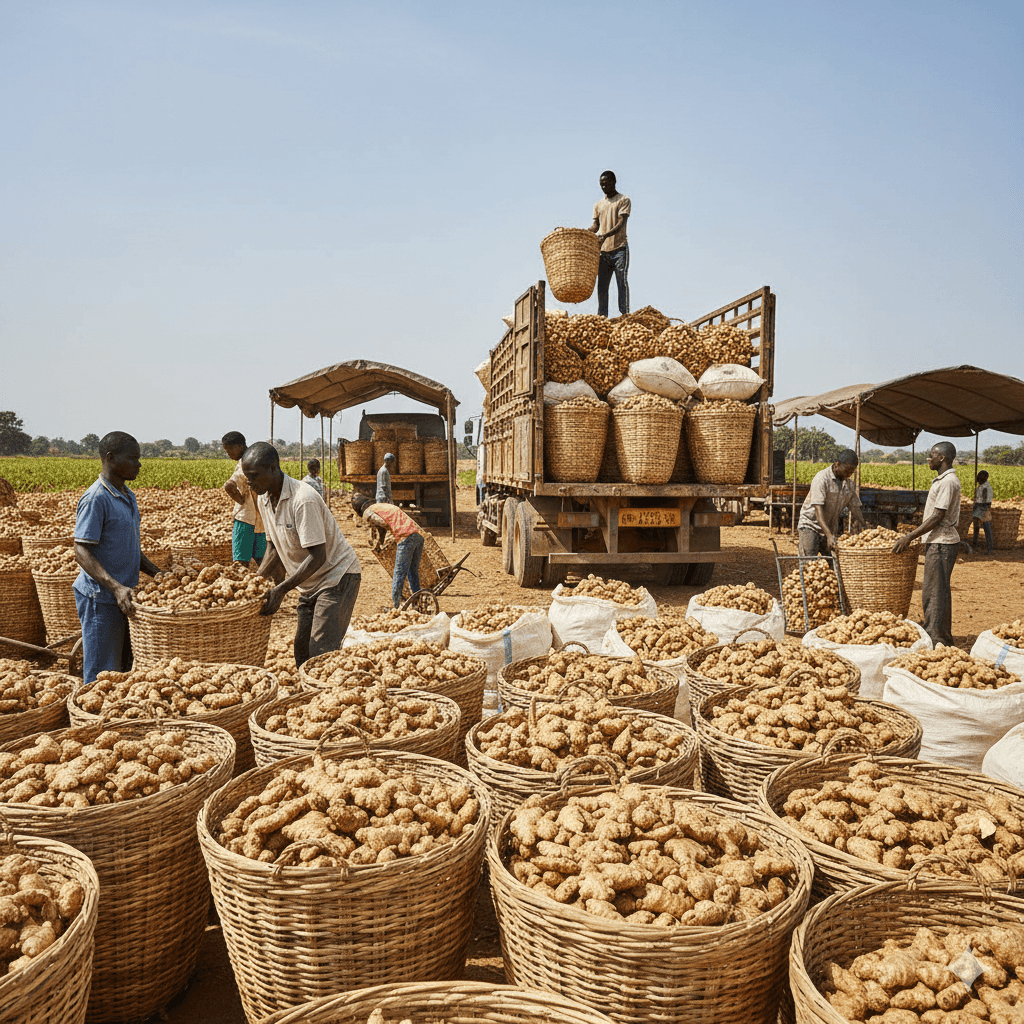
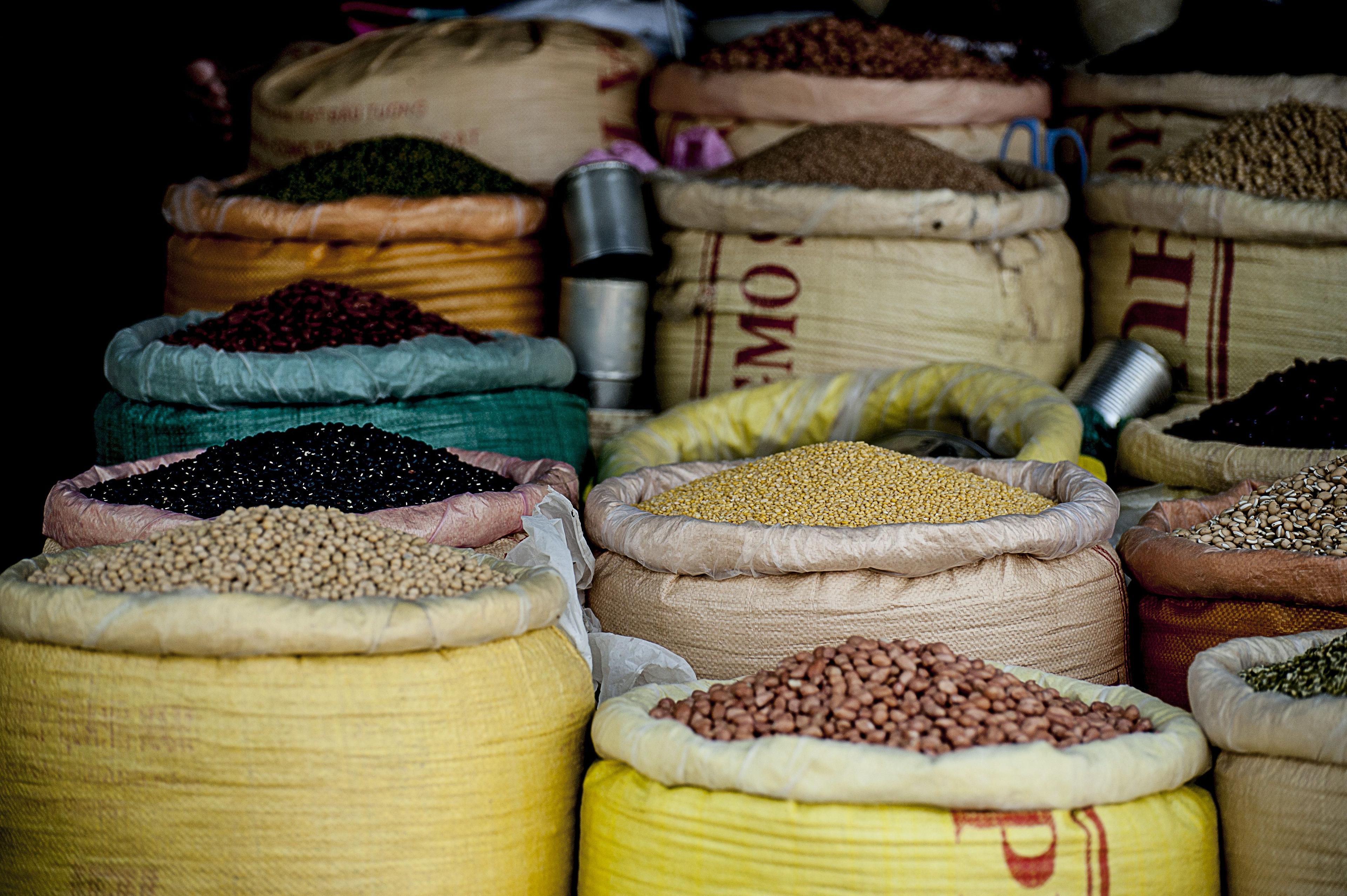
- Agricultural commodities – cocoa, coffee, cashew nuts, sesame seeds, spices, grains, and fresh produce.
- Food and beverages – processed foods, edible oils, packaged foods, and beverages.
- Textiles and apparel – fabrics, garments, footwear, leather products, and fashion accessories.
- Industrial materials – construction materials, machinery components, packaging materials, and manufacturing supplies.
- Chemicals and pharmaceuticals – industrial chemicals, healthcare products, and pharmaceutical supplies.
- Consumer goods – household products, personal care items, electronics accessories, and everyday retail products.
- Minerals and natural resources – selected minerals and raw materials available for export, subject to local regulations.
The availability of products varies by country, industry, and supplier specialization. Before placing a wholesale order, compare suppliers based on product quality, production capacity, minimum order quantities (MOQs), export experience, and delivery capabilities to ensure they can meet your business requirements.
How to Compare Wholesale African Suppliers
Finding wholesale suppliers is only part of the sourcing process. The next step is comparing potential suppliers to identify the business that best meets your pricing, quality, production, and delivery requirements. Rather than choosing the first supplier you find, evaluate multiple wholesale suppliers before requesting a quote or placing an order.No two wholesale suppliers are exactly alike. Comparing suppliers using consistent criteria can help you identify partners that align with your business goals and sourcing requirements.

Production Capacity
A supplier should be able to meet both your current order requirements and future demand as your business grows. Ask about production capacity, manufacturing capabilities, and average lead times to determine whether the supplier can consistently fulfill wholesale orders.
Minimum Order Quantities (MOQs)
Most wholesale suppliers operate with minimum order quantities (MOQs). Compare MOQs across different suppliers to ensure they align with your purchasing volume, inventory needs, and budget. A lower MOQ may suit smaller businesses, while larger buyers may benefit from higher-volume pricing.
Pricing and Payment Terms
Competitive pricing is important, but it shouldn't be the only factor influencing your decision. Compare suppliers based on overall value, including payment terms, shipping costs, production quality, and after-sales support. Transparent pricing and clearly defined payment terms help reduce misunderstandings during the sourcing process.
Export Experience
Suppliers with international trade experience are generally better equipped to handle export documentation, logistics coordination, and compliance requirements. Ask which countries they currently export to and whether they have experience working with businesses similar to yours.
Product Quality and Certifications
Request product specifications, certifications, or samples where appropriate. Consistent product quality is essential for wholesale buyers, especially when purchasing products for resale or manufacturing.
Communication and Responsiveness
Reliable communication is often a strong indicator of a professional supplier. Suppliers who respond promptly, answer questions clearly, and provide accurate information are typically easier to work with throughout the sourcing process.
Ready to compare wholesale suppliers? Request a Quote on Kuraway and receive quotations from verified suppliers that match your sourcing requirements.
How to Buy Wholesale Products from Africa
Buying wholesale products from Africa involves more than identifying a supplier. Following a structured sourcing process helps businesses compare options, reduce risks, and make informed purchasing decisions. Whether you're purchasing agricultural products, manufactured goods, industrial materials, or consumer products, following these steps can help you source with greater confidence.

1. Define Your Product Requirements
Start by identifying exactly what you need to source. Consider product specifications, quality requirements, estimated order volume, target pricing, and delivery timelines. Having clear sourcing requirements makes it easier to identify suppliers that match your business needs.
2. Shortlist Potential Wholesale Suppliers
Create a shortlist of suppliers that offer the products you're looking for. Compare their product range, production capacity, minimum order quantities (MOQs), export experience, and responsiveness before moving forward.
3. Request Quotations (RFQs)
Request quotations from multiple suppliers to compare pricing, payment terms, lead times, and shipping options. Looking beyond the lowest price helps you evaluate the overall value each supplier can provide.
4. Compare Supplier Offers
Review each quotation carefully, taking into account product quality, production capabilities, delivery schedules, payment terms, and customer support. Comparing multiple offers allows you to make a more informed purchasing decision and identify the supplier that best aligns with your business goals.
5. Verify Suppliers Before Placing an Order
Before committing to a wholesale purchase, carry out proper supplier due diligence to confirm the supplier's legitimacy, export capability, and ability to meet your requirements. This step helps reduce sourcing risks and build long-term business relationships.
For a detailed guide on evaluating suppliers, read our article How to Verify African Suppliers Before Buying, where we explain the supplier verification process, including business registration checks, certifications, export experience, product quality, and payment safety.
Common Mistakes Businesses Make When Buying Wholesale from Africa
Even experienced buyers can make costly sourcing mistakes. Avoid these common pitfalls when purchasing wholesale products from Africa:
- Choosing suppliers based only on price. The lowest quotation may not offer the best value if product quality, lead times, or supplier reliability are compromised.
- Skipping supplier verification. Always carry out proper supplier due diligence before placing an order to confirm the supplier's legitimacy and export capability.
- Requesting quotations from only one supplier. Comparing offers from multiple suppliers helps you evaluate pricing, payment terms, production capacity, and overall value before making a decision.
How Kuraway Simplifies Wholesale Sourcing Across Africa
Managing wholesale sourcing can quickly become complex, especially when comparing multiple suppliers, requesting quotations, and coordinating communication across different channels. For businesses sourcing products from Africa, using a dedicated African B2B marketplace can make the process more organized and efficient.
Kuraway is designed to help businesses discover verified wholesale suppliers across multiple industries through one African B2B marketplace. Instead of searching through numerous websites or contacting suppliers individually, buyers can explore supplier profiles, browse product categories, and submit Request for Quotations (RFQs) to connect with suppliers that match their sourcing requirements.
Whether you're sourcing agricultural commodities, manufactured goods, industrial products, chemicals, pharmaceuticals, or consumer goods, Kuraway provides a centralized platform to help businesses identify potential suppliers and begin the sourcing process with greater confidence.
Frequently Asked Questions
Where can I find wholesale African suppliers?
Wholesale African suppliers can be found through African B2B marketplaces, trade fairs, export promotion agencies, trade associations, and industry referrals. Many businesses prefer using B2B marketplaces because they make it easier to discover, compare, and connect with suppliers across multiple African countries from one platform.
What products can I buy wholesale from Africa?
Africa offers a wide range of wholesale products, including agricultural commodities, processed foods, textiles, apparel, industrial materials, chemicals, pharmaceuticals, consumer goods, and minerals. Product availability varies by country and supplier specialization.
How do I compare wholesale suppliers?
Compare suppliers based on production capacity, minimum order quantities (MOQs), pricing, payment terms, export experience, product quality, certifications, lead times, and communication. Evaluating multiple suppliers helps you identify the best fit for your business requirements.
What is an RFQ?
A Request for Quotation (RFQ) is a document or inquiry sent to one or more suppliers requesting pricing, product information, lead times, and commercial terms. Comparing multiple quotations helps buyers evaluate suppliers and negotiate better purchasing terms.
Can I request quotes from multiple suppliers at the same time?
Yes. Requesting quotations from multiple suppliers allows you to compare pricing, product quality, lead times, and payment terms before making a purchasing decision. It also helps you identify suppliers that best match your sourcing requirements.
Conclusion
Wholesale sourcing from Africa gives businesses access to competitive pricing, diverse product categories, and a growing network of manufacturers, exporters, and distributors. However, successful wholesale sourcing involves more than identifying suppliers. Businesses should compare multiple suppliers, evaluate their capabilities, and complete proper supplier due diligence before placing an order.
Following a structured sourcing process and conducting proper supplier due diligence can help reduce risks and build stronger, long-term supplier relationships. If you are new to supplier verification, read our guide, How to Verify African Suppliers Before Buying, to learn how to verify supplier legitimacy, certifications, export experience, and payment safety before placing an order.
When you are ready to begin sourcing, Kuraway helps simplify the process by connecting buyers with verified wholesale suppliers across Africa. You can explore suppliers, request for quotations, and connect with businesses across multiple industries through one African B2B marketplace.