Top B2B African Marketplaces for Wholesale Trade in 2026
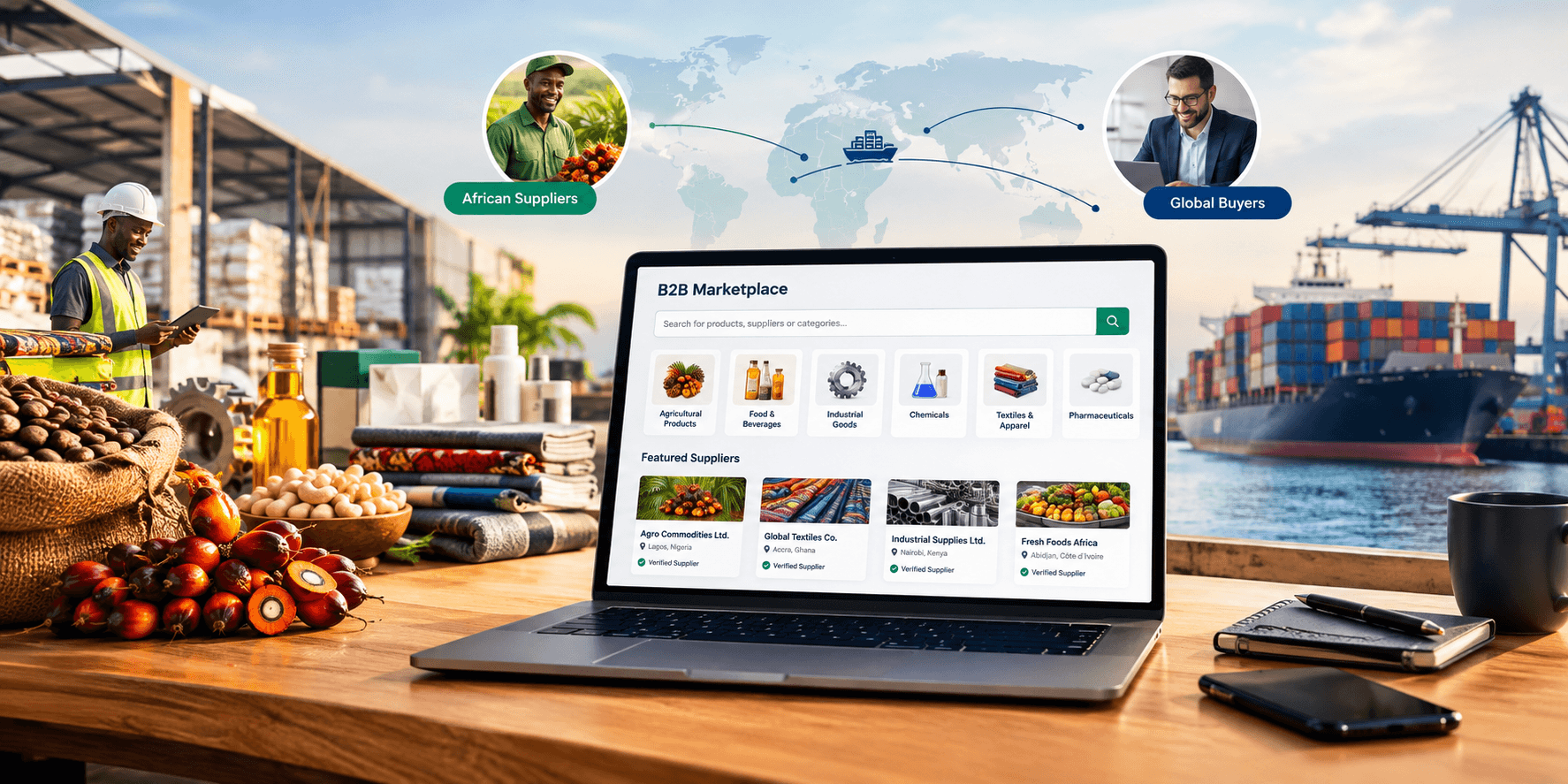
Africa's wholesale market is increasingly accessible through B2B marketplaces, making it easier for businesses to discover suppliers, compare sourcing options and explore trade opportunities across the continent. Not every African B2B marketplace works the same way. Some provide broad supplier discovery, while others focus more closely on commodities, FMCG, cross-border trade or wholesale procurement in specific markets.
This guide compares six B2B marketplaces relevant to wholesale sourcing in Africa in 2026: Kuraway, TRAGOA, ATEX, AMBESA, Kaya Marketplace and Feegor. We look at what each platform offers, what it is best suited to and the sourcing features that matter when choosing where to buy.
What to Look for in a B2B Marketplace
The right B2B marketplace should do more than help you find a supplier. For wholesale purchasing, it should make it easier to assess products, understand buying terms and move towards a reliable transaction.
Here are some of the factors worth checking before choosing a platform:
Supplier coverage: Look for marketplaces with suppliers that match the products, countries and quantities you need.
Wholesale suitability: Check whether the platform supports bulk orders and provides useful information such as minimum order quantities, pricing or product specifications.
Supplier verification: Business verification can provide an additional layer of confidence when dealing with unfamiliar suppliers. Check what the platform actually verifies rather than relying on a verification badge alone.
RFQs and quotations: For larger or customised orders, the ability to request quotes can make it easier to compare offers and negotiate commercial terms.
Payment and transaction support: Consider what payment methods and protections are available, particularly for cross-border transactions.
Logistics and delivery: For international or larger orders, look at whether the platform provides logistics support or useful information about shipping and delivery.
The best platform will depend on what you are buying, how much you need and how much support you require throughout the sourcing process.
Top B2B African Marketplaces
African B2B marketplaces vary in their focus. Some are built for broad supplier discovery, while others specialise in commodities, FMCG distribution, cross-border trade or wholesale procurement in specific markets.
The six platforms below represent different approaches to sourcing and trading with African businesses. Use the comparison infographic for a quick overview, then explore each platform to understand where it may fit into your sourcing process.

1. Kuraway
Best for: African supplier and wholesale sourcing
Kuraway is a B2B marketplace that connects businesses with African merchants, manufacturers, wholesalers, farmers and producers across a range of product categories. The platform is designed around supplier discovery and wholesale sourcing, with merchant vetting, product information, minimum order quantities and RFQ-based sourcing.
By early 2026, Kuraway reported onboarding more than 1,300 merchants across Nigeria, Ghana and Cameroon and facilitating over $600,000 in trade, positioning itself as a discovery and verification layer rather than a high-volume retail checkout. Buyers can request quotes, communicate with suppliers and negotiate orders, making it suitable for businesses looking to move beyond basic supplier discovery and into an active sourcing process.
Kuraway also offers standard and conditional invoice options, including an escrow-style payment option for eligible transactions, and has outlined plans to roll out trade-financing tools for verified merchants.
Best suited to: Cross-border buyers needing vetted African suppliers across agro commodities, FMCG, chemicals, minerals, pharmaceuticals, industrial goods, manufactured products and fashion.
2. TRAGOA
TRAGOA is an African B2B trade marketplace that connects businesses looking to buy, sell, import, export or broker products. Its platform supports business and product discovery, RFQs, profile verification, buyer-seller messaging, escrow services and partner-supported logistics and trade-finance services.
It is suited to businesses looking for a broader African trade platform rather than a marketplace focused on one product category.
3. ATEX
ATEX is a B2B and B2G trade platform within the Africa Trade Gateway ecosystem. It is designed to support structured procurement of bulk commodities and essential goods, including agricultural products, processed foods, fertilisers, chemicals, construction materials and fuel products.
The platform connects verified buyers and suppliers through quotation and tender workflows and provides or connects users to financing, payment, logistics, warehousing and customs-related support. It is particularly relevant to businesses sourcing commodities and essential goods in larger volumes.
4. AMBESA
AMBESA is a Pan-African B2B marketplace designed to connect businesses with suppliers, buyers and trade partners across African markets. Its platform places particular emphasis on verified businesses, sector-based supplier discovery, RFQ tools and secure transaction support.
Buyers can submit a single RFQ and receive responses from multiple verified suppliers, which can make it easier to compare sourcing options before progressing with a transaction.
5. Kaya Marketplace
Kaya Marketplace is a vertical B2B platform focused on FMCG wholesale. It connects retailers and wholesalers and combines bulk product ordering with secure payment processing, delivery coordination and order tracking.
Its specialised model makes it particularly relevant to businesses involved in consumer-goods distribution and retail replenishment.
6. Feegor
Feegor is a Nigeria-focused B2B wholesale marketplace built around bulk purchasing and retail restocking. It connects retailers and SMEs with manufacturers, wholesalers and other suppliers.
The platform supports product discovery, bulk ordering, supplier negotiation, flexible payment options and, for qualifying buyers, Buy Now, Pay Later financing. Buyers should confirm delivery coverage and fulfilment arrangements for their location before ordering.
How to Choose a B2B Marketplace for Wholesale Sourcing
Choosing a marketplace based only on the number of suppliers or products listed can lead to problems later. For wholesale sourcing, look at how well the platform supports the full buying process and whether it matches your requirements.
Check the Suppliers and Products
Start by confirming that the marketplace has suppliers for the product you need and that they can meet your required volume. Product specifications, available quantities, minimum order quantities and certifications can help you narrow down suitable suppliers.
Look at Supplier Verification
A verification badge can be useful, but it is not a substitute for your own due diligence. Check what the marketplace verifies and look for business registration details, product documentation, references or other information that can help you assess a supplier.
Consider How You Will Request Quotes
Wholesale orders often involve quantities, specifications and delivery requirements that are not covered by a standard listed price. An RFQ or quotation process can make it easier to communicate your requirements and compare supplier offers.
Check Payment Protection
Before placing an order, understand how payment works and what protection is available if an issue arises. For cross-border purchases, also consider currency, payment terms and who is responsible for transaction-related costs.
Consider Logistics and Delivery
The right marketplace should fit your delivery requirements. Check whether shipping or logistics support is available, where goods can be delivered, and what responsibilities the buyer and supplier have for transport and documentation.
Match the Platform to Your Sourcing Needs
A marketplace may be strong for one type of procurement and less suitable for another. Consider your product category, order size, sourcing country, delivery requirements and the level of support you need before deciding where to begin.
Sourcing Wholesale Products from Africa with Kuraway
For businesses looking to source products from African suppliers, Kuraway provides a B2B marketplace built around supplier discovery and wholesale purchasing.
The platform connects buyers with African merchants, manufacturers, wholesalers, farmers and producers across categories including agro commodities, FMCG, chemicals, minerals, pharmaceuticals, industrial goods, manufactured products and fashion.
Kuraway also places emphasis on supplier and product verification. Buyers can view product information and minimum order quantities, request quotes for their requirements and communicate directly with suppliers during the sourcing process.
For orders that require more than a listed product price, buyers can use RFQs and negotiate commercial terms with suppliers. Kuraway offers conditional invoice and escrow-style payment options for eligible transactions, while its cross-border payment capabilities can help businesses manage transactions with suppliers in different African markets.
Common Mistakes to Avoid When Using B2B Marketplaces
Using a B2B marketplace can make supplier discovery easier, but it does not remove the need for careful sourcing. A few common mistakes can lead to unexpected costs, unsuitable suppliers or problems further into the transaction.
Choosing Based Only on Price
The lowest quote is not always the best deal. Consider product quality, minimum order quantity, shipping costs, payment terms, lead time and other expenses when comparing suppliers.
Assuming Verification Removes All Risk
A verified supplier can provide an additional layer of confidence, but buyers should still conduct their own due diligence. Check business details, product documentation, certifications and other relevant information before placing an order.
Ignoring MOQ and Supplier Capacity
A supplier may offer the right product but be unable to meet your required quantity. Confirm the minimum order quantity, available stock or production capacity and expected lead time before committing.
Not Clarifying Shipping Terms
Make sure you understand how the goods will be delivered and who is responsible for shipping, insurance, customs and other related costs. For international purchases, clarify the agreed Incoterm and delivery responsibilities in advance.
Paying Before Confirming the Terms
Before making payment, ensure that the product specifications, quantity, price, delivery arrangements and payment terms have been agreed and documented. Where available, use appropriate payment protection for the transaction.
Comparing Suppliers Only by Unit Price
A cheaper unit price does not necessarily mean a lower overall cost. Compare the total cost of the order, including shipping, duties, packaging, payment charges and other applicable expenses.
Frequently Asked Questions
Which Is the Best B2B Marketplace in Africa?
There is no single marketplace that is best for every wholesale buyer. The right option depends on the products you need, order size, sourcing location and the type of supplier and transaction support you require.
How Do I Find Wholesale Suppliers in Africa?
B2B marketplaces can help you discover African manufacturers, wholesalers, producers and other suppliers. You can also use industry associations, trade directories and other business networks to identify potential suppliers.
Can I Buy Products in Bulk from African Suppliers Online?
Yes. Many B2B marketplaces support wholesale or bulk purchasing, although minimum order quantities, pricing, payment terms and delivery arrangements vary between suppliers and platforms.
Are African B2B Marketplaces Safe?
Marketplace verification and payment protection can provide useful safeguards, but buyers should still conduct their own due diligence. Check the supplier's business information, product documentation, commercial terms and delivery arrangements before committing to an order.
What Should I Check Before Buying from an African Supplier?
Check the supplier's business identity, product specifications, minimum order quantity, certifications, pricing, production capacity, lead time, payment terms and shipping responsibilities. For larger purchases, requesting samples or arranging an inspection can also help reduce risk.
Conclusion
African B2B marketplaces are making it easier for businesses to discover suppliers and source products across the continent, but they are not all built for the same type of buyer or transaction.
Some focus on broad supplier discovery, while others are more specialised in commodities, FMCG wholesale, cross-border trade or regional procurement. Before choosing a platform, consider the suppliers it offers, wholesale requirements, verification processes, quotation tools, payment options and logistics support.
For businesses looking to source wholesale products from African suppliers, Kuraway offers a sourcing-focused marketplace where buyers can discover merchants, manufacturers, wholesalers, farmers and producers; review product information and minimum order quantities; request quotes; and negotiate directly. Conditional invoice and escrow-style payment options can add transaction support where available, but buyers should still confirm specifications, supplier documentation, delivery terms and payment conditions before placing an order.
The key is to choose a marketplace that matches your product, order size, sourcing location and purchasing requirements, then carry out the necessary checks before committing to a wholesale order.
Note: Marketplace features are based on publicly available platform information and may vary by country, product category, transaction size, verification status and rollout stage. Buyers should confirm current service availability, pricing, payment protections, logistics coverage and supplier activity directly with each platform before transacting.