How to Find Wholesale Buyers for Your Products
Finding wholesale buyers starts with identifying the type of buyer that fits your product, then using the right channels to reach them. B2B marketplaces, wholesale buyer directories, trade fairs, professional networks, direct outreach, and industry associations can all help you connect with potential customers.
But finding a contact is only the beginning. You also need to determine whether the buyer is legitimate, can purchase at your required volume, and is a good fit for your products.
In this guide, you'll learn how to identify the right wholesale buyers, where to find them, how to prepare your business before approaching them, and how to qualify potential buyers before investing time in a business relationship.
Why Finding Wholesale Buyers Is Difficult
Finding wholesale buyers can be challenging because not every business looking for suppliers is the right fit for your products. A buyer may be interested in your category but purchase smaller quantities than you can supply, operate in the wrong market, or lack the capacity to become a reliable customer.
The goal should not be to build the biggest wholesale buyer list possible. It should be to identify relevant buyers who need your products, can meet your order requirements, and have the potential for a genuine business relationship.
Start by Defining Your Ideal Wholesale Buyer
Before searching for wholesale buyers, decide who you actually want to reach. A clear buyer profile helps you focus your time on businesses that are more likely to need your products and purchase at a suitable volume.
Consider five things:
- Buyer type: Are you targeting wholesalers, distributors, retailers, importers, manufacturers, or other businesses?
- Product fit: Does the buyer already purchase or distribute products like yours?
- Target market: Which markets are suitable for your product?
- Order volume: Can the buyer meet your minimum order quantity (MOQ)?
- Purchasing frequency: Are you looking for one-time bulk orders or buyers who may purchase regularly?
For example, a business selling processed agricultural products may have better results targeting food distributors, retailers, or wholesale importers than approaching businesses with no connection to the product category.
Defining these criteria first makes it easier to identify relevant wholesale buyers instead of simply collecting a large list of contacts.
Where Wholesale Buyers Look for Suppliers

Wholesale buyers use different channels to find suppliers depending on their products, purchasing requirements, and industry. Common options include B2B marketplaces, wholesale directories, trade events, professional networks, and industry associations.
1. B2B Marketplaces
B2B marketplaces bring suppliers and B2B buyers together in one place. They can be useful for businesses looking to discover suppliers, compare products, and make wholesale enquiries.
2. Wholesale Buyer Directories and Trade Databases
Wholesale buyer directories and trade databases can help you identify potential customers by industry, location, or product category. These are particularly useful when you already know the type of company you want to target.
3. LinkedIn and Professional Networks
LinkedIn and professional networks can help you identify procurement managers, purchasing teams, distributors, retailers, and other decision-makers. This is useful when you want to approach specific companies rather than wait for buyers to discover your business.
4. Trade Fairs and Industry Associations
Trade fairs, industry associations, and business networks provide another route to wholesale customers. These channels can be especially useful when buyers need to assess products, quality, production capabilities, or supplier relationships before placing larger orders.
If your goal is specifically to reach customers in foreign markets, you can also use international buyer-generation strategies alongside these wholesale channels. Learn how to find international buyers for your export products.
The best channel depends on your product and target buyer. A B2B marketplace may work well for generating inbound enquiries, while direct outreach or trade events may be more suitable when you have a specific group of wholesale buyers in mind.
7 Practical Ways to Find Wholesale Buyers

1. Use B2B Marketplaces
B2B marketplaces can help you reach businesses already searching for suppliers and wholesale products. Create a complete supplier profile, clearly present your products, and provide the information buyers need to assess your business.
For African suppliers, Kuraway provides a B2B marketplace where manufacturers, exporters, producers, and distributors can showcase their products to buyers sourcing from Africa.
2. Search Wholesale Buyer Directories and Databases
Wholesale buyer lists, directories, and trade databases can help you identify potential customers by industry, location, or product category.
Focus on businesses that match your ideal customer profile rather than collecting as many contacts as possible. A smaller list of relevant buyers is generally more useful than a large list of poorly matched prospects.
3. Find Decision-Makers on LinkedIn
LinkedIn can help you identify procurement managers, purchasing teams, importers, distributors, retailers, and other decision-makers within companies that may need your products.
Research the company first, then contact the person responsible for purchasing or supplier relationships with a concise and relevant introduction.
4. Attend Trade Fairs and Industry Events
Trade fairs bring suppliers together with wholesalers, distributors, retailers, importers, and other B2B buyers.
They can be particularly useful for products where buyers need to assess quality, specifications, packaging, or production capabilities before placing larger orders.
5. Use Trade Associations and Business Networks
Industry associations, chambers of commerce, and business networks can provide access to industry contacts, trade events, and buyer-matching opportunities.
These channels can be useful when entering a new market or targeting a particular product category.
6. Conduct Targeted Direct Outreach
Instead of sending the same message to hundreds of companies, identify businesses that already purchase, distribute, or sell products like yours.
Research the company, find the appropriate decision-maker, and send a concise introduction that explains what you offer and why your products may be relevant to their business.
7. Use Referrals and Existing Business Relationships
Existing customers, suppliers, industry contacts, and business partners can introduce you to potential wholesale customers.
A referral from a trusted business connection can also make it easier to establish credibility with a new buyer.
The most effective approach may combine several channels. The important thing is to focus your effort on relevant wholesale buyers rather than simply building a large buyer list.
Make Your Business Ready Before Approaching Wholesale Buyers
Finding the right wholesale buyer is only useful if your business is ready to handle the enquiry. Before approaching potential customers, make sure you can clearly present what you sell, how much you can supply, and what buyers can expect from working with you.
At a minimum, have these details ready:
- Product catalogue: Clear information and images for your products.
- Product specifications: Sizes, grades, materials, packaging, and other relevant requirements.
- MOQ and wholesale pricing: State your minimum order quantity and provide clear pricing or quotation terms.
- Certifications: Include relevant quality, safety, or industry certifications.
- Production capacity: Be clear about how much you can supply consistently.
- Lead times: Provide realistic production and delivery timelines.
- Payment terms: Clearly communicate accepted payment methods and payment conditions.
- Shipping capabilities: Know your shipping responsibilities and the markets you can supply.
- Company information: Provide accurate business details that allow buyers to assess your credibility.
A complete supplier profile makes it easier for wholesale buyers to evaluate your business and decide whether to make an enquiry. It also helps you respond quickly when a potential buyer contacts you.
How to Identify Genuine Wholesale Buyers
Not every wholesale enquiry is worth pursuing. Before spending time negotiating prices, preparing samples, or arranging shipments, qualify the buyer to determine whether they are legitimate and commercially suitable for your business.
Check four key areas:
1. Legitimacy
Confirm that the company exists and has a credible business presence. Look for a company website, business registration details, professional contact information, and other verifiable information.
2. Product Fit
Check whether the buyer actually deals with your product category. A genuine buyer should be able to explain what they need, their specifications, and how your products fit their business.
3. Purchasing Capacity
Consider whether the buyer can realistically purchase at your MOQ and required order volume. Their business size, purchasing requirements, and previous trading activity can provide useful indications.
4. Market Fit
Make sure the buyer operates in a market where your products can be legally sold or distributed.
Watch for red flags such as vague company information, unusual payment requests, pressure to ship before agreed payment conditions are met, or enquiries that do not make commercial sense.
Common Mistakes When Looking for Wholesale Buyers
Finding wholesale buyers can become inefficient when businesses focus on quantity instead of quality. Avoiding a few common mistakes can help you spend more time on buyers with genuine commercial potential.
- Targeting every buyer: Focus on businesses that match your product, market, and order requirements.
- Relying on random buyer lists: A large list of contacts does not guarantee relevant or genuine buyers.
- Sending generic messages: Tailor your outreach to the buyer's business and product requirements.
- Ignoring buyer qualification: Check legitimacy, product fit, purchasing capacity, and market fit before investing significant time.
- Approaching buyers before you're ready: Have your catalogue, pricing, MOQ, specifications, certifications, and shipping information prepared.
- Competing only on price: Wholesale buyers also consider quality, reliability, capacity, lead times, and payment terms.
- Failing to follow up: A professional and timely follow-up can keep a genuine wholesale enquiry moving forward.
Frequently Asked Questions
Where can I find bulk buyers?
You can find bulk buyers through B2B marketplaces, wholesale buyer directories, trade fairs, industry associations, LinkedIn, and targeted direct outreach. The best channel depends on your product, target market, and the type of buyer you want to reach.
How can I find wholesale buyers worldwide?
To find wholesale buyers in different markets, identify your target markets first, then use B2B marketplaces, trade databases, professional networks, trade events, and direct outreach to reach potential customers. Focus on buyers whose product requirements and purchasing volume match your business.
How can I attract foreign wholesale buyers?
Present your business in a way that makes it easy for international buyers to evaluate you. Provide clear product information, specifications, MOQ, pricing, certifications, production capacity, lead times, and relevant supply capabilities. Then promote your products through channels where your target buyers are actively searching.
How do I find buyers for export from Nigeria?
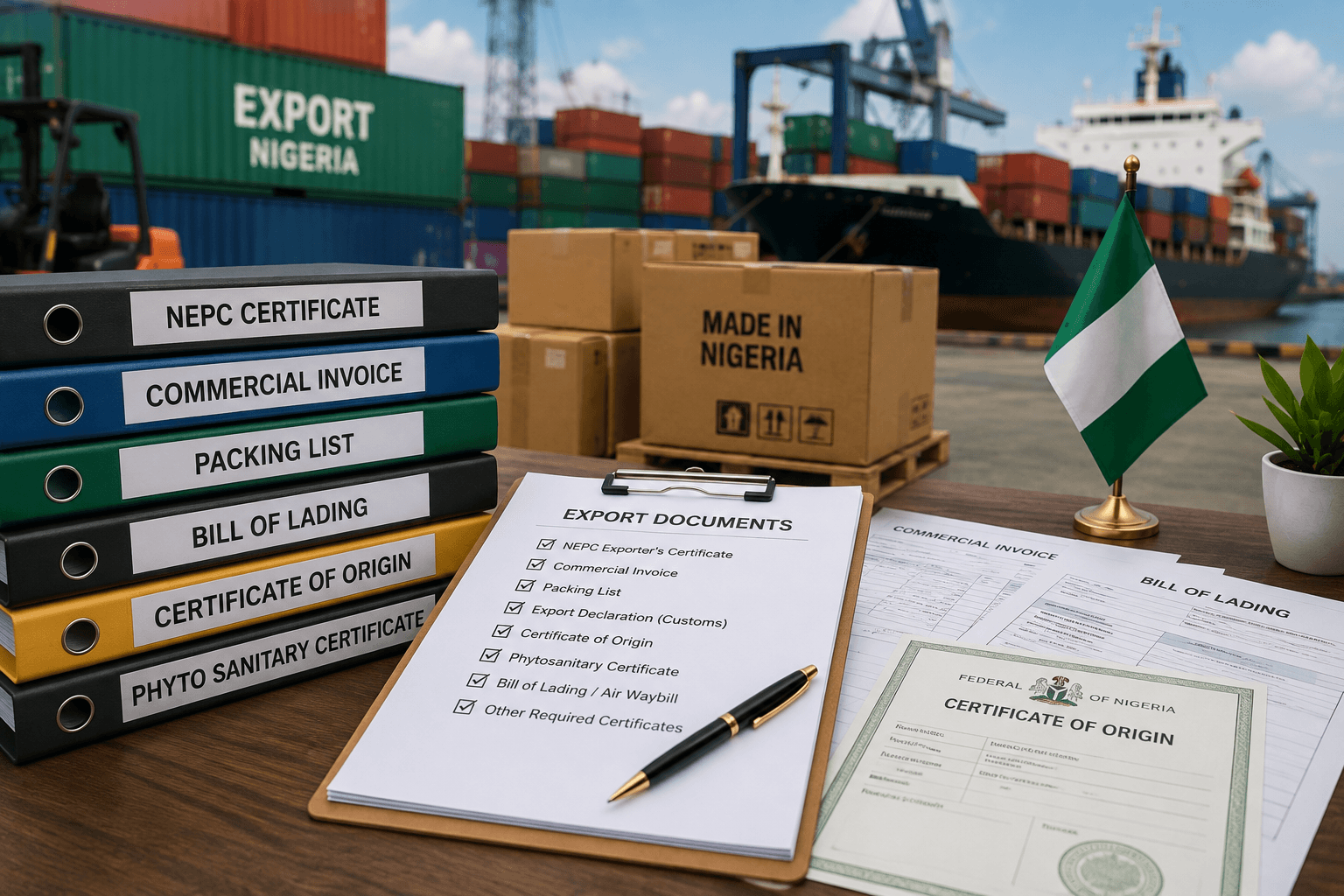
Nigerian businesses can find wholesale buyers through B2B marketplaces, trade fairs, export promotion organisations, industry associations, professional networks, and targeted outreach. Start by identifying markets where your products are in demand and where you can meet the relevant export and shipping requirements.
Conclusion
Finding wholesale buyers is not about collecting the largest possible buyer list. It starts with identifying the right type of buyer, finding them through relevant channels, and making sure your business is ready to handle their requirements.
B2B marketplaces, trade networks, direct outreach, industry events, and referrals can all help you build a pipeline of potential wholesale customers. Before moving forward, qualify each buyer for legitimacy, product fit, purchasing capacity, and market fit.
For African businesses looking to reach wholesale customers, Kuraway provides a B2B marketplace where manufacturers, exporters, producers, and distributors can showcase their products to buyers sourcing from Africa.